
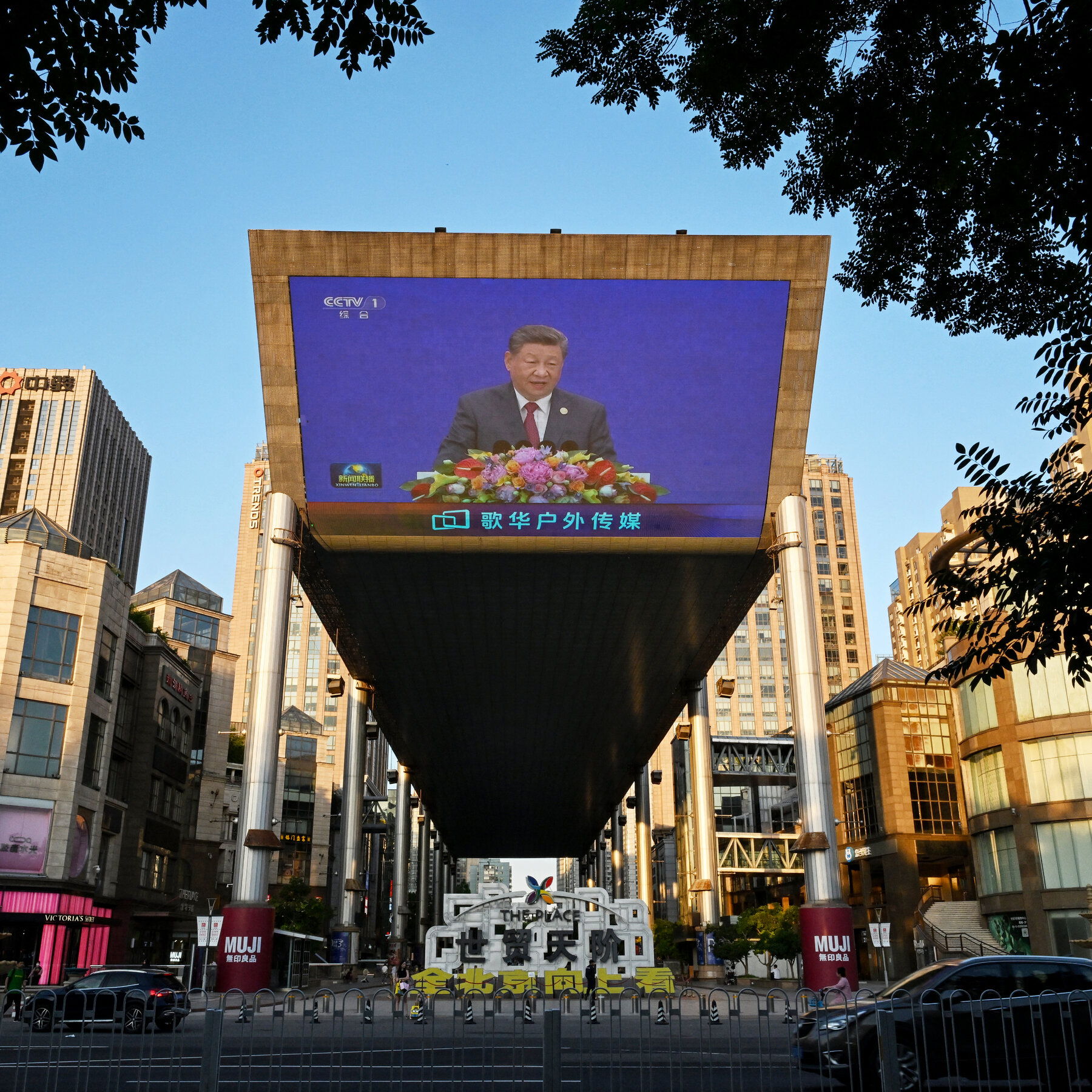
China and US Continue to Compete in AI Race
The race for dominance in artificial intelligence (AI) between China and the United States shows no signs of slowing down. As both countries pour resources into research and development, the competition has intensified in recent years.
According to a report by the National Security Commission on Artificial Intelligence, China has made significant strides in AI technology and is quickly catching up to the US. In 2017, China published more AI research papers than the US, and in 2018, it surpassed the US in the number of AI patents filed.
One of the main reasons for China’s rapid progress in AI is its government’s commitment to investing in the technology. In 2017, China announced its “Next Generation Artificial Intelligence Development Plan,” which aims to make the country a global leader in AI by 2030. The plan includes a $150 billion investment in AI research and development, as well as the creation of a national AI lab.
The US, on the other hand, has taken a more decentralized approach to AI development, with private companies leading the way. However, the US government has also recognized the importance of AI and has increased its funding for research and development in the field.
The competition between China and the US in AI has also extended to the global market. Chinese tech giants like Alibaba and Tencent are investing heavily in AI and are expanding their reach beyond China. Meanwhile, US companies like Google and Amazon are also making significant strides in AI and are competing for dominance in the global market.
The race for AI dominance has also raised concerns about the potential impact on jobs and national security. As AI technology advances, there are fears that it could lead to job displacement and widen the economic gap between countries. There are also concerns about the use of AI in military and surveillance technology, with both China and the US investing in AI for defense purposes.
Despite the competition, there have been efforts to promote collaboration and cooperation between China and the US in AI. In 2018, the two countries launched the US-China AI Tech Summit, which aimed to foster dialogue and cooperation between researchers and industry leaders.
In conclusion, the competition between China and the US in AI is a complex and ongoing race. Both countries are investing heavily in research and development, and the outcome of this race will have significant implications for the global economy and national security. As the race continues, it is crucial for both countries to find a balance between competition and collaboration to ensure the responsible and ethical development of AI technology.