
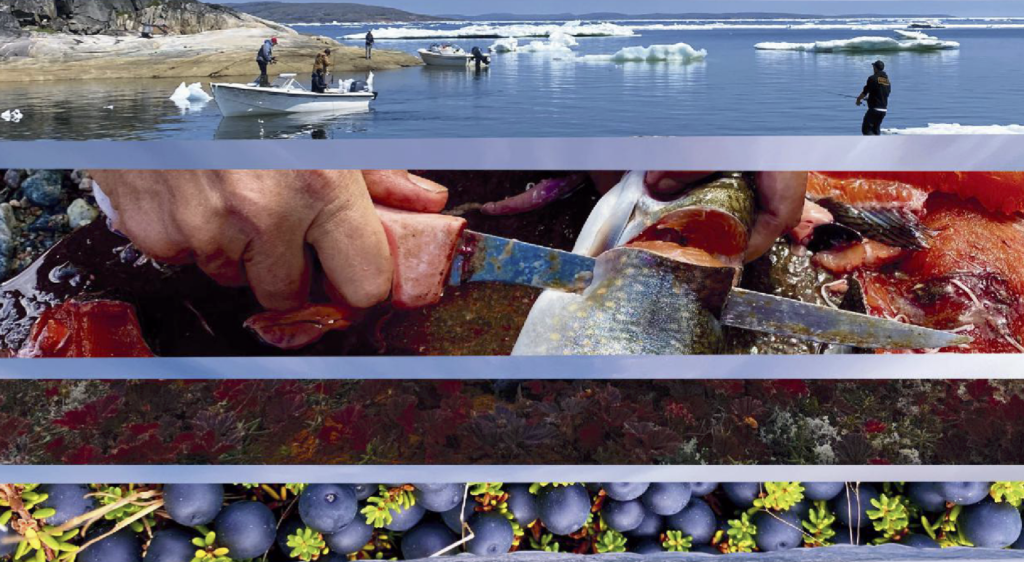
Inuit Governance and Knowledge at Core of Nunatsiavut Climate Change Strategy
The Nunatsiavut government has recently released a comprehensive climate change strategy that focuses on Inuit governance and knowledge as key components in addressing the impacts of climate change in the region.
The strategy, titled “Sivunirmut Igiusilaunik – Stepping Forward Together,” was developed in collaboration with Inuit communities and organizations, as well as scientific experts and government agencies. It aims to guide the Nunatsiavut government in making informed decisions and taking action to mitigate and adapt to the effects of climate change.
One of the main pillars of the strategy is the recognition of Inuit governance and knowledge as essential in understanding and responding to the changing climate. Inuit have a deep connection to the land and have been observing and adapting to environmental changes for generations. Their traditional knowledge, combined with scientific research, provides a holistic approach to addressing climate change.
The strategy also highlights the need for collaboration and partnerships between Inuit and non-Inuit organizations to effectively address the impacts of climate change. This includes working with government agencies, industry, and other stakeholders to develop and implement sustainable solutions.
In addition, the strategy emphasizes the importance of incorporating Inuit values and perspectives into decision-making processes. This includes considering the impacts of climate change on Inuit culture, way of life, and traditional activities such as hunting and fishing.
The Nunatsiavut government has also committed to reducing its own greenhouse gas emissions and promoting sustainable practices within its operations. This includes implementing energy efficiency measures, promoting renewable energy, and reducing waste.
Furthermore, the strategy recognizes the need for adaptation measures to protect communities and infrastructure from the impacts of climate change. This includes developing emergency response plans, building climate-resilient infrastructure, and supporting community-led initiatives to adapt to changing conditions.
The release of this climate change strategy is a significant step towards addressing the impacts of climate change in Nunatsiavut. It demonstrates the Nunatsiavut government’s commitment to working together with Inuit and other partners to protect the region’s environment, culture, and way of life.
As the effects of climate change continue to be felt globally, it is crucial for governments to prioritize the inclusion of Indigenous knowledge and perspectives in climate change strategies. The Nunatsiavut government’s approach serves as a model for other regions to follow in their efforts to address this pressing issue.