
Global attention turned unexpectedly toward the Arctic after U.S. President Donald Trump reignited a controversial campaign to acquire Greenland, a sprawling Arctic territory of Denmark. What began in 2019 as a dismissed “joke” about buying the world’s largest island has resurfaced with a new intensity, including talk of military options and strategic imperatives that alarm allies and reshape geopolitical dynamics in the North Atlantic and beyond.
The Greenland Controversy Explained
Greenland, with a population of about 56,000 mostly Inuit residents, is geographically enormous, strategically positioned between North America and Europe, and rich in natural resources including rare earth minerals essential for modern technology and clean energy systems. The Journal
Since World War II, Greenland has been an asset to Western defense. The United States has maintained a military presence there through Pituffik Space Base (previously Thule Air Base), which contributes to missile warning, space monitoring, and Arctic surveillance. Radio Canada International
Under Trump’s direction in 2026 the White House stated it is actively discussing buying Greenland and refused to rule out using the U.S. military to achieve control, citing national security concerns tied to Russian and Chinese influence in the Arctic.
Trump’s rhetoric escalated following a high-profile U.S. military operation that captured Venezuelan President Nicolás Maduro, prompting fears that similar assertiveness could extend toward Greenland. New York Post
Why Greenland Is a Strategic Prize
Greenland’s importance stems from several overlapping factors:
1. Arctic Security and Geopolitics
As the Arctic warms and ice recedes, new shipping routes like the Northwest Passage are increasingly viable. Control over Arctic territory translates into influence over critical trade corridors and military access points. Greenland lies at the heart of these emerging routes.
The island also guards part of what is known as the GIUK Gap (Greenland-Iceland-UK), a strategic naval chokepoint for tracking Russian naval movements from the Arctic into the Atlantic.
2. Natural Resources and Rare Earths
Greenland contains massive untapped deposits of critical minerals like neodymium, dysprosium, lithium, and cobalt, all essential for advanced batteries, renewable energy technologies, and defense systems. Securing such resources could help reduce Western dependence on Chinese supply chains, which currently dominate global rare earth markets.
3. Climate Change and New Frontiers
Melting Arctic ice exposes not only resources but also strategic routes that could reshape global commerce. Nations with territorial control over Arctic zones stand to benefit from new economic opportunities as well as military advantages. BNN Bloomberg
Global Response and Backlash
Trump’s renewed focus on Greenland has triggered sharp diplomatic responses:
- Denmark’s Prime Minister warned that any attempt to seize Greenland by force would effectively end NATO, undermining the alliance that has anchored global security since 1949.
- European allies, including France and Germany, have publicly reaffirmed Greenland’s sovereignty and condemned unilateral action.
- Greenlandic leaders have rejected annexation talk, insisting conversations must occur through proper diplomatic channels with respect for international law.
Even within the U.S., some lawmakers and defense strategists urge diplomacy and reaffirm commitments to NATO, signaling that military action remains unlikely but the political rhetoric has already strained international relationships.
Could Canada Be Next?
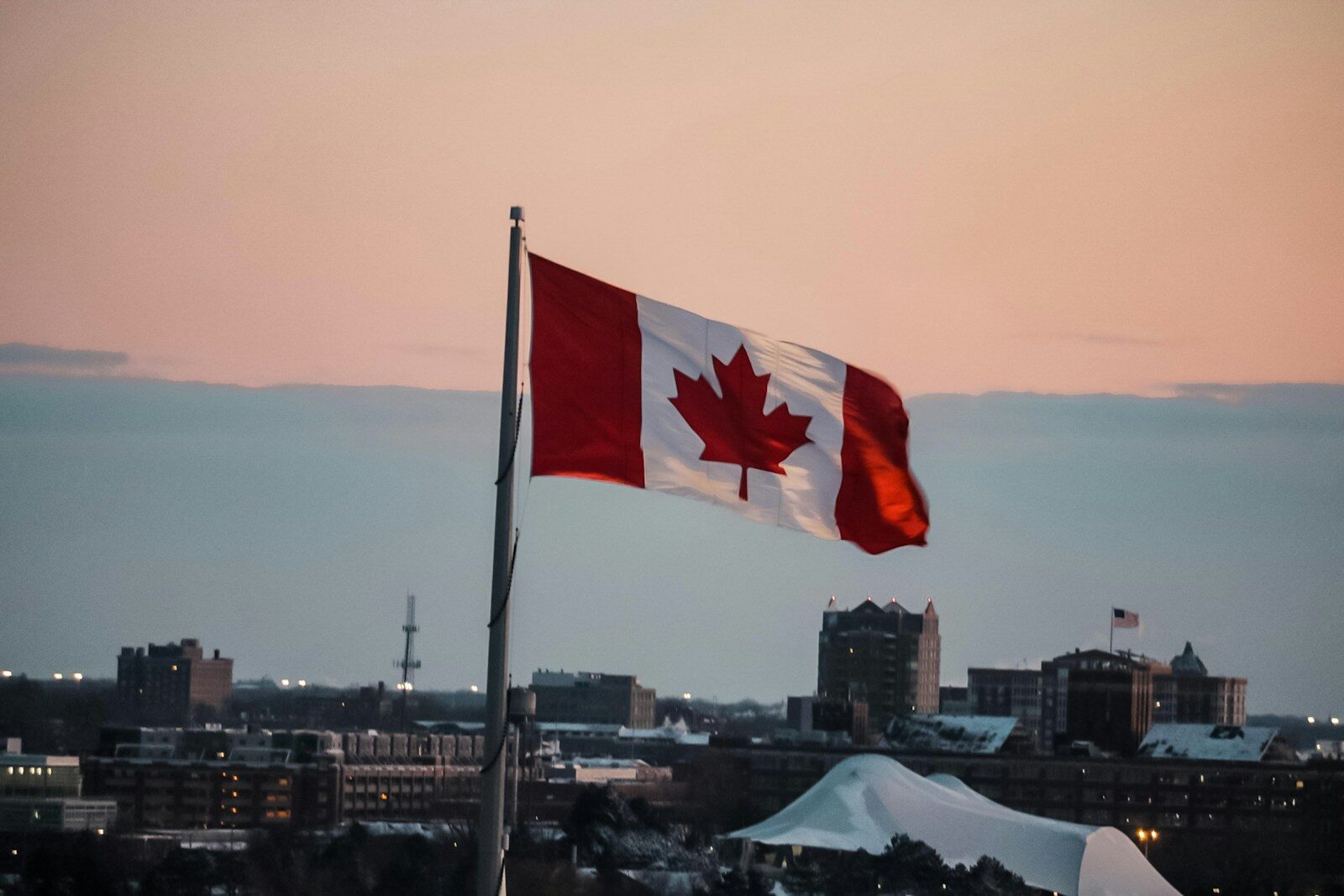
Trump has also made provocative comments about Canada, suggesting it should become the 51st U.S. state. According to reports, Trump claimed the border between Canada and the U.S. is an “artificial line” and that integrating Canada would enhance security and economic integration. Forbes
However, when directly asked about military options with Canada, Trump said he does not foresee such action, though he would not entirely rule out a scenario with Greenland. CBS News
Canadian leaders have been unequivocal in rejecting sovereignty changes. Former Prime Minister Justin Trudeau reportedly responded to Trump’s comments by stating there is “not a snowball’s chance in hell” Canada would become part of the United States, emphasizing the deep economic and security partnership between the two nations. Global News
The idea of annexing Canada remains highly unlikely given legal, political, and cultural realities, but Trump’s rhetoric raises broader concerns about U.S. attitudes toward alliance norms and mutually respected borders.
Implications for the World
1. Alliance Stability and NATO’s Future
Threatening a NATO member’s territory fundamentally challenges the alliance’s core principles. If not handled carefully, such rhetoric could weaken trust among member states and embolden competitors like Russia and China. AP News
2. Arctic Competition Intensifies
Russia has expanded its military footprint across the Arctic, restoring Soviet-era bases and asserting regional claims. China has declared itself a “near-Arctic state” and seeks influence through economic investments and proposals like a “Polar Silk Road.” BNN Bloomberg
Greenland sits at the intersection of these dynamics, making it a focal point of 21st-century geopolitics.
3. Indigenous Voices and Self-Determination
Greenlanders themselves have long expressed aspirations for greater autonomy or eventual independence. Any external powers maneuvering for control must contend with the island’s democratic sentiment and legal rights to self-determination.
Takeaways
- Trump’s January 2026 statements revived controversial ambitions to acquire Greenland, framing it as essential to national security and Arctic dominance. Reuters
- Robust international opposition from Denmark, NATO allies, and Arctic states has underscored the importance of sovereignty and alliance cohesion. AP News
- While Canadian annexation remains unlikely, Trump’s broader rhetoric highlights tensions in North American relations and perceptions of security priorities. CBS News
- Greenland’s strategic value stems from its geopolitical location, resources, and emerging Arctic trade routes, making it central to future global power balances. The Journal
As 2026 unfolds, what may have begun as provocative political statements could have lasting diplomatic consequences, shaping Arctic geopolitics and the future of international alliances. In an era of intensifying climate change and competition for strategic advantage, respect for sovereignty and cooperative diplomacy remain indispensable to global stability.