
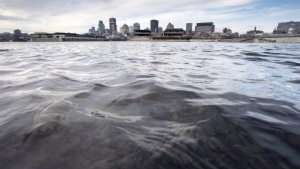
The St. Lawrence River, a vital waterway for the province of Quebec, is facing concerning changes. Recent studies have shown that the waters of the St. Lawrence are warming at an alarming rate, while the amount of oxygen in the river is decreasing.
According to researchers from the University of Quebec at Rimouski, the average temperature of the St. Lawrence has risen by 1.5 degrees Celsius over the past 50 years. This may seem like a small increase, but it has significant implications for the river’s ecosystem.
The warming waters are causing a decrease in the amount of oxygen available for aquatic life. This is due to the fact that warm water holds less oxygen than cold water. As a result, fish and other marine animals are struggling to survive in the St. Lawrence.
This decrease in oxygen levels is also causing harmful algal blooms to occur more frequently. These blooms can be toxic to both humans and animals, and can have devastating effects on the river’s ecosystem.
Experts believe that the warming of the St. Lawrence is a direct result of climate change. As global temperatures continue to rise, so will the temperature of the river. This will have a cascading effect on the entire ecosystem, from the smallest microorganisms to the largest marine mammals.
The consequences of these changes in the St. Lawrence are far-reaching. The river is not only a source of drinking water for millions of people, but it also supports a thriving fishing industry and is a popular spot for recreational activities.
In order to address this issue, it is crucial that we take action to reduce our carbon footprint and mitigate the effects of climate change. This includes implementing sustainable practices and reducing our reliance on fossil fuels.
The St. Lawrence River is a vital part of Quebec’s identity and economy. It is imperative that we work together to protect and preserve this precious resource for future generations.