
When Prime Minister Mark Carney stepped off the plane in Mexico City on September 18, 2025, the weight of the moment was palpable. Canada and Mexico have long been trading partners—not rivals—and as global trade becomes more unpredictable, both nations see an urgent need to fortify their economic relationship. With the USMCA (United States-Mexico-Canada Agreement) set for formal review in early 2026, Carney and President Claudia Sheinbaum used their meeting to plot a more diversified trade future—a strategic move to ensure both economies don’t remain overly dependent on the whims of U.S. trade policy. AP News
What the Deal Includes
The agreement signed in Mexico City on that day covers a wide spectrum:
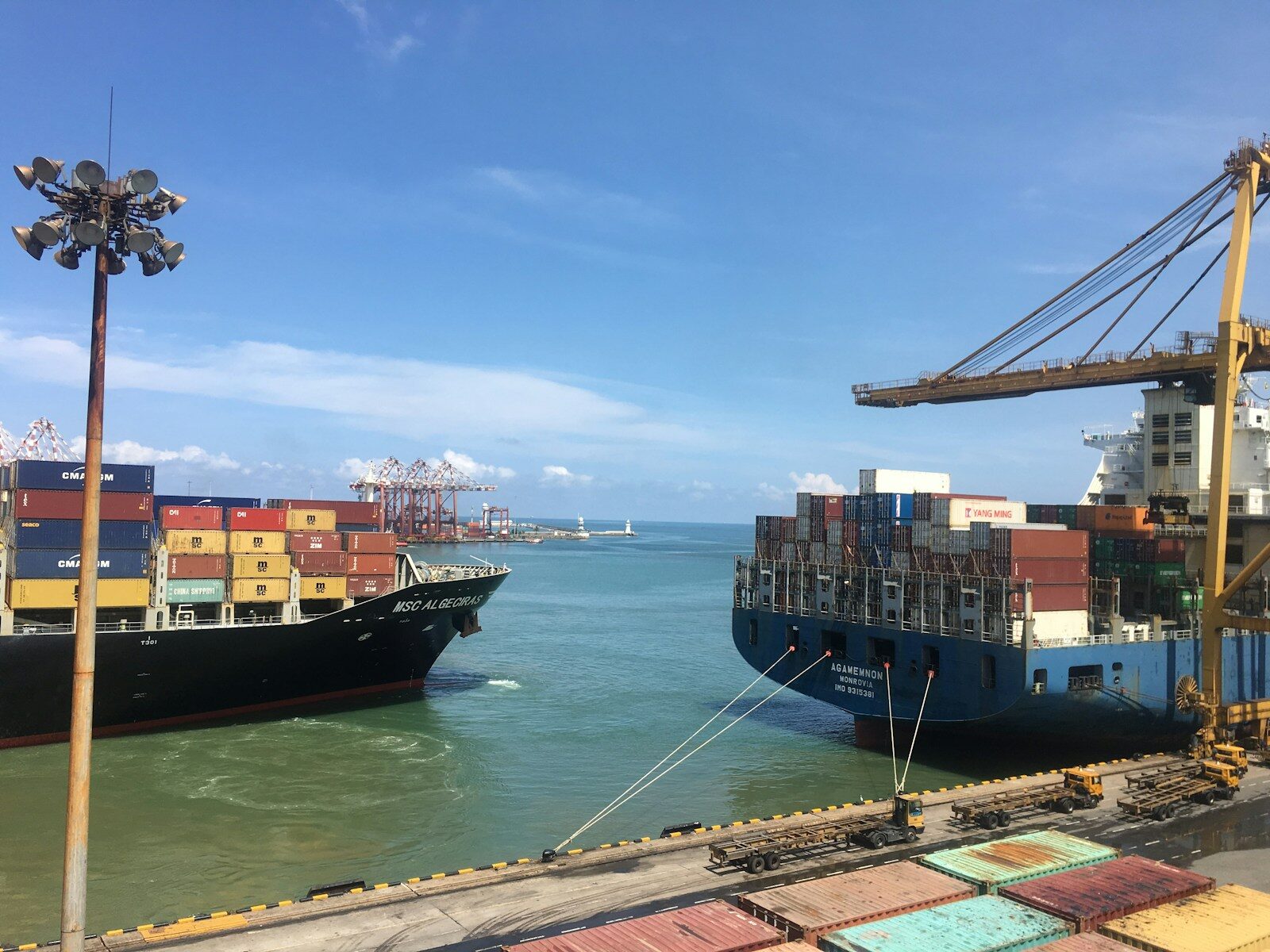
- A Canada-Mexico Action Plan, which lays out cooperation in infrastructure, energy, agriculture, and enhanced trade-routes—especially maritime—to reduce friction where goods might otherwise be forced to cross through the U.S. border. AP News
- Investment in targeted areas, including environmental protection, migrant support, and programs to combat drug trafficking. Among the funding components is C$9.9 million for United Nations-backed projects linked to those topics. Ground News
- A commitment to public consultations ahead of the USMCA renegotiation to ensure voices from both countries are heard—business leaders, civil society, provinces and states alike. Reuters
What’s Driving the Urgency
Several immediate pressures and long-term incentives have pushed this deal forward:
- Tariff threats and trade volatility from the U.S. under President Donald Trump. Canadian and Mexican leaders are both feeling the impact of rising protectionist rhetoric and policy.
- The need for diversification. Canada’s trade figures highlight the imbalance: over 75% of Canadian exports flow into the U.S., but trade with Mexico in 2024 was only about C$55.4 billion, a small share compared to U.S. trade.
- A push to stabilize supply chains in sectors like energy, agriculture, mining, and manufacturing—areas vulnerable to U.S. policy shifts.
Implications: Who Benefits, Who Watches, Who Risks
For Canada:
- Business and exporters might have new markets and less risk tied to U.S. trade tensions. Ports, rail routes, and energy corridors slated for investment could reduce shipping costs and delays.
- Provinces and industries—especially in agriculture, mining, and clean energy—are likely to be directly affected. Expect provinces with strong energy sectors (Alberta, Saskatchewan) to show interest in Mexico’s demand for resources and energy infrastructure.
- Labour and migration policy could also shift. Part of the agreement includes expanding special work visas for Mexicans in Canada, which could help fill labour shortages while also stirring political debate.
For Mexico:
- The deal positions Mexico to leverage Canadian investment, especially in energy, infrastructure, and environmental regulation, under more favourable terms.
- It also strengthens Mexico’s negotiating power ahead of the USMCA review by showing it has allies and can diversify partners.
Broader North American and Global Impact:
- A stronger Canada-Mexico alliance could help both countries resist adverse U.S. policies. United fronts tend to be more effective in global trade talks.
- Potential for supply-chain realignments: goods might be routed directly between Canada and Mexico more often, avoiding unnecessary border crossings or U.S. tariffs.
Possible Risks and Challenges
- Logistics and infrastructure reality: Building up direct shipping routes, ports, energy corridors takes time and capital. Terrain, regulation, and local politics in both countries can slow progress.
- Regulatory and environmental standards: Mexico has its own environmental laws and enforcement challenges. Ensuring Canadian companies comply with them—and meeting Canada’s own environmental expectations—will be crucial to avoid backlash.
- Political trust: Earlier in 2025, relations were strained over visa policies, immigration comments, and perceptions that Canada might approach U.S. deals excluding Mexico. Rebuilding trust doesn’t happen overnight.
Projections & What to Watch
- Trade growth: If the deal works out, bilateral trade could rise by 20-30% over the next 3-5 years, especially in sectors like processed foods, energy infrastructure, clean tech, and automotive parts.
- Investment inflow: Canadian investment into Mexico (and vice versa) may increase as businesses seek more stable supply chain partnerships.
- Policy changes: Watch for regulatory harmonization moves—e.g., mutual recognition of standards, visa/work permit reforms, and possibly customs facilitation.
- USMCA review outcomes (2026): These efforts are building toward that. How Canada and Mexico coordinate now may influence outcomes in areas such as auto content rules, labour, environmental standards, and tariff dispute mechanisms.
A Canadian Lens: Why This Matters at Home
For Canadians, especially in export-heavy provinces, this deal signals a subtle but important shift away from placing almost all economic bet on the U.S. It means Ottawa is recognizing the need to hedge risks, pursue multiple partnerships, and ensure that Canadian businesses aren’t caught off guard by geopolitical or trade policy shocks.
It also reflects changing public expectations: more interest in robust trade, environmental responsibility, and ethical investment. As job markets shift and global supply chains face disruption, Canadians want economic security and predictable policy, not uncertainty.
Bottom Line
The Carney-Sheinbaum agreement isn’t just diplomacy—it’s an economic lifeline being extended in an era of trade turbulence. Signed under the pressure of U.S. tariff threats and ahead of the USMCA review, it aims to reshape how Canada does business with its neighbours—not as a satellite to U.S. policy but as an equal partner with real leverage.
For now, this pact opens new doors. But turning agreement into action—roads, rail, trade routes, fair labour, environmental safeguards—will depend on consistent political will, private investment, and cross-border cooperation. Canadians should follow closely: the coming months will show whether this is just rhetoric or the start of reshaped North American trade.