
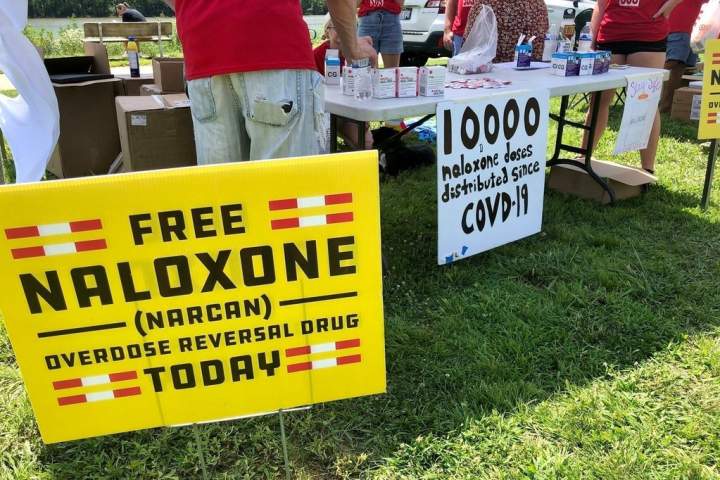
A landmark decision in a high-profile opioid lawsuit in West Virginia has been overturned by a US appeals court.
The original ruling, made in 2018, held pharmaceutical giant Johnson & Johnson responsible for fueling the state’s opioid crisis through deceptive marketing practices. The company was ordered to pay $465 million in damages to the state.
However, the US Court of Appeals for the Fourth Circuit has now reversed this decision, stating that the state failed to prove that Johnson & Johnson’s actions directly caused the opioid epidemic in West Virginia.
The three-judge panel also found that the state’s public nuisance law, which was used to hold the company accountable, was not applicable in this case.
In their ruling, the judges stated that while Johnson & Johnson’s actions may have contributed to the opioid crisis, they were not the sole cause. They also noted that the state’s evidence did not prove that the company’s marketing practices were deceptive or fraudulent.
This decision is a major blow to West Virginia’s efforts to hold pharmaceutical companies accountable for their role in the opioid epidemic. The state has one of the highest rates of opioid overdose deaths in the country, with more than 3,000 deaths reported in 2018 alone.
The ruling also has implications for other states that have filed similar lawsuits against pharmaceutical companies. It sets a precedent that may make it more difficult for these states to hold these companies accountable for their actions.
In response to the appeals court’s decision, West Virginia Attorney General Patrick Morrisey expressed disappointment and stated that they are considering their options for further legal action.
Meanwhile, Johnson & Johnson has welcomed the ruling, stating that it affirms their position that they have acted responsibly and lawfully in their marketing of opioid medications.
This decision highlights the complexities of holding companies accountable for the opioid crisis and the need for more comprehensive solutions to address this public health emergency.