
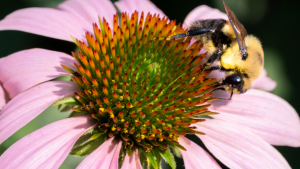
Canada’s wild pollinator populations are facing a critical threat, according to a recent study conducted by researchers at the University of British Columbia (UBC). The study, published in the journal Conservation Biology, highlights the urgent need for Canada to prioritize the protection of these vital species.
Pollinators, such as bees, butterflies, and other insects, play a crucial role in our ecosystem by pollinating plants and crops. This process is essential for the production of fruits, vegetables, and other crops that make up a significant portion of our food supply. However, the UBC study found that wild pollinator populations in Canada are declining at an alarming rate.
The researchers analyzed data from over 900 species of wild pollinators across Canada and found that nearly half of them are in decline. This decline is attributed to various factors, including habitat loss, pesticide use, and climate change. The study also revealed that some species, such as bumblebees, are declining at a much faster rate than others.
Dr. Claire Kremen, a professor at UBC and lead author of the study, emphasized the importance of protecting wild pollinators. She stated, “These species are critical for maintaining healthy ecosystems and food production. Without them, we would see a significant decline in the diversity and abundance of plants, which would have a ripple effect on other species and ultimately, our own well-being.”
The study also highlighted the economic impact of declining pollinator populations. In Canada, pollinators contribute an estimated $3.3 billion to the economy each year through their role in crop production. A decline in pollinators could have severe consequences for the agricultural industry and the economy as a whole.
To address this issue, the researchers recommend that Canada takes immediate action to protect wild pollinator populations. This includes implementing policies to reduce pesticide use, creating and preserving pollinator-friendly habitats, and addressing the effects of climate change.
Dr. Kremen also stressed the importance of public awareness and involvement in protecting pollinators. She stated, “We all have a role to play in protecting these vital species. Whether it’s planting pollinator-friendly gardens or supporting local farmers who use sustainable practices, every action counts.”
In conclusion, the UBC study highlights the urgent need for Canada to prioritize the protection of wild pollinator populations. The decline of these species not only threatens our ecosystem but also has significant economic implications. It is crucial for the government, individuals, and industries to take immediate action to ensure the survival of these vital species.