
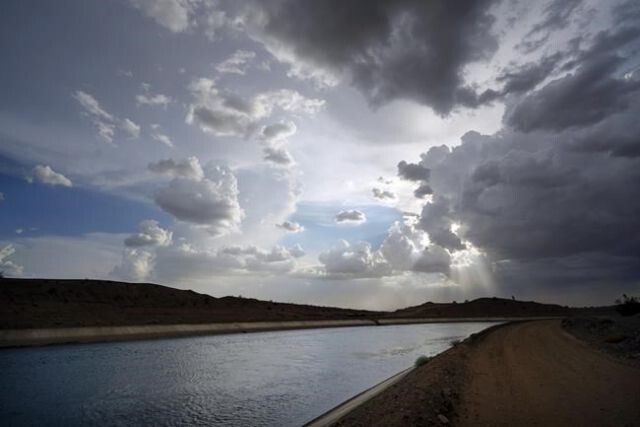
The Colorado River Basin has long been a source of inspiration for the Okanagan Basin Water Board (OBWB) in their efforts to address climate pressures. At a recent meeting, the OBWB heard from experts on how other regions are tackling similar challenges.
The OBWB, a collaborative organization made up of representatives from the Okanagan, Similkameen, and Shuswap regions, is responsible for managing and protecting the water resources in the area. With climate change posing a significant threat to these resources, the board is constantly seeking new strategies and solutions.
One of the key takeaways from the meeting was the importance of collaboration and communication between different stakeholders. The Colorado River Basin, which spans seven U.S. states and two Mexican states, has successfully implemented a system of water sharing and management through the Colorado River Compact. This agreement, signed in 1922, has allowed for the equitable distribution of water among the different regions, despite varying levels of water availability.
Another key lesson learned was the need for adaptive management. As climate change continues to impact water resources, it is crucial for organizations like the OBWB to be able to adapt and adjust their strategies accordingly. The Colorado River Basin has implemented a system of adaptive management, which allows for flexibility in decision-making and the ability to respond to changing conditions.
The OBWB also heard about the importance of incorporating traditional knowledge and practices into water management strategies. In the Colorado River Basin, the Native American tribes have played a significant role in water management, and their traditional knowledge has been instrumental in finding sustainable solutions.
The meeting also highlighted the importance of investing in infrastructure and technology to improve water management. The Colorado River Basin has implemented various projects, such as the Glen Canyon Dam and the Hoover Dam, to increase water storage and improve water distribution.
Overall, the OBWB was able to gain valuable insights from the experiences of the Colorado River Basin. As they continue to face the challenges of climate change, the board will use these lessons to inform their strategies and ensure the sustainable management of water resources in the Okanagan region.