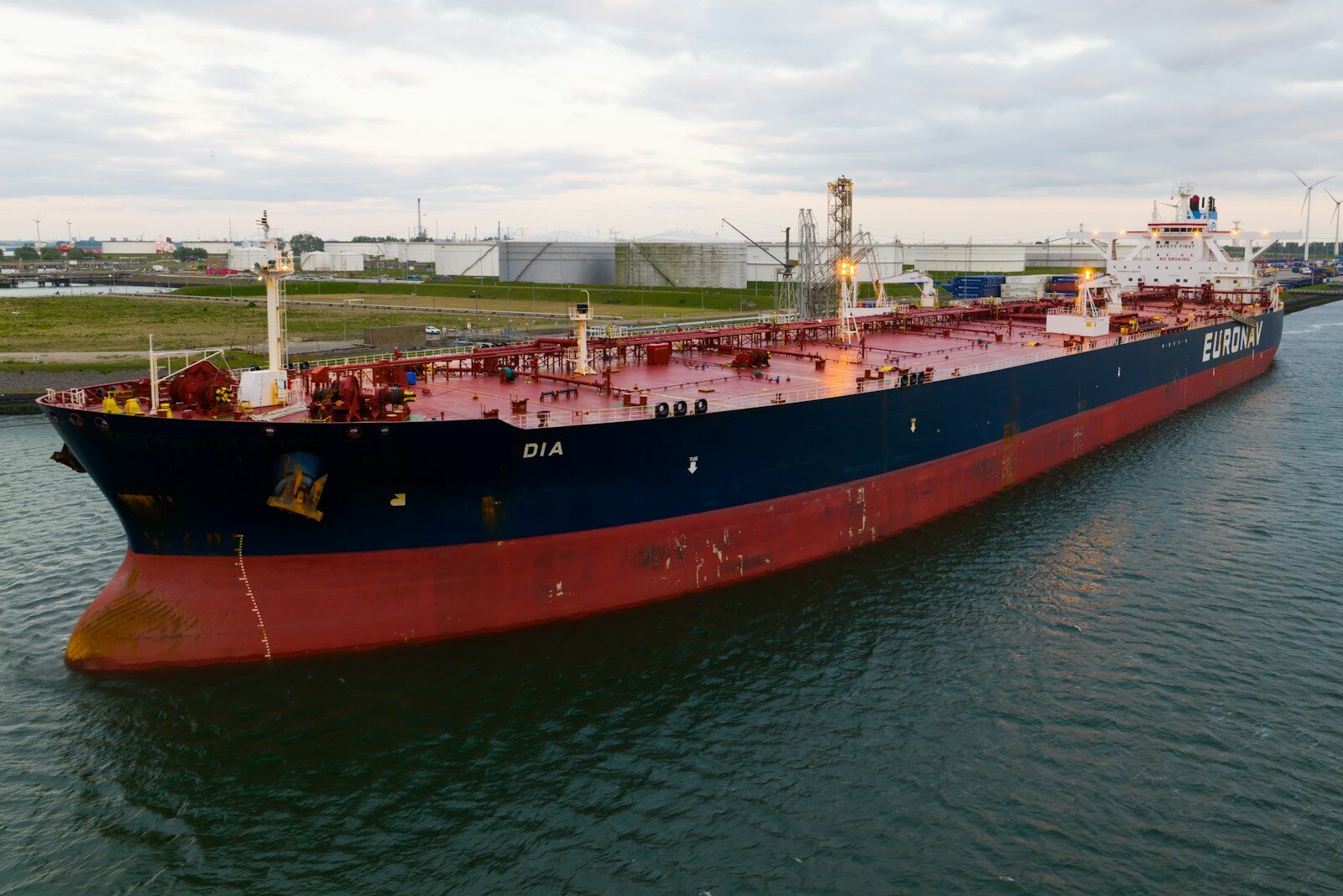
A bold U.S. seizure of a large oil tanker off Venezuela’s coast has sent shock waves through diplomacy, energy markets and policy debates. President Donald Trump confirmed the operation and warned that Colombia’s leadership “will be next” if it does not “wise up,” intensifying fears that the Caribbean could be the stage for escalating U.S. actions against governments and shipping involved – or suspected of being involved – with sanctioned crude. The move pushed oil futures higher and deepened questions in Ottawa about how Canada should respond. Global News
The seizure and the president’s warning
On the morning of December 10, U.S. officials confirmed that U.S. forces – led by the U.S. Coast Guard and with Navy support – had intercepted and seized a tanker that had been docked in Venezuela. U.S. officials and maritime risk analysts identified the vessel in reporting as the Skipper (previously known as Adisa), a ship that had been the subject of earlier U.S. sanctions for alleged involvement in Iranian oil trade and had been linked to Venezuelan cargoes. President Trump publicly confirmed the seizure and signalled that further measures could follow, including pressure on Colombia’s government. Reuters
The seizure adds to a pattern of escalating U.S. actions in the region this year – from naval build-ups to strikes on suspected drug-smuggling vessels – that the administration has framed as necessary to choke off financing streams for criminal and authoritarian actors. Critics say the steps risk destabilizing the region and violating international law. The Guardian
Geopolitics, sanctions and a volatile oil patch
There are three immediate reasons this incident has become headline news:
- A concrete escalation against Venezuela’s oil lifeline. Venezuela’s economy depends on oil exports; striking at tankers and shipping increases pressure on the Maduro government and could disrupt flows to buyers such as China. The seizure signals Washington is willing to interrupt those flows directly.
- A broader U.S. pressure campaign. The tanker action arrives amid a series of U.S. moves aimed at Venezuela: naval deployments, sanctions, and military operations in the Caribbean. The administration argues these measures hit the financial networks that sustain corruption and narcotrafficking tied to authoritarian actors. Opponents say the actions are unilateral, risky, and potentially unlawful.
- Immediate market reaction. Oil futures ticked up after news of the seizure: on Dec. 10 Brent settled around US$62.21/bbl and WTI near US$58.46/bbl — modest moves, but enough to nudge traders who were already watching tight prompt supplies and geopolitical risk. If seizures become routine or broaden, markets could respond more aggressively. Investing.com Australia
Energy costs and the consumer pocketbook
Even small blips on global oil markets ripple into Canadian fuel prices and transportation costs. The immediate market response to the seizure was a modest uptick in futures; that can translate into higher wholesale crude prices and, with lag, somewhat higher pump prices – though the size of any increase depends on refinery flows, Canadian dollar strength, and provincial taxes. Given Canada’s integrated energy markets with the U.S., consumers here are not immune to geopolitical supply shocks.
Diplomatic tightrope
Canada has publicly sanctioned Venezuelan officials repeatedly in 2025, part of a steady policy of pressure on the Maduro government for human-rights abuses and democratic erosion. Ottawa’s earlier sanctions demonstrate sympathy with the objective of holding bad actors accountable – but a unilateral U.S. seizure of a commercial vessel raises legal and reputational questions that Canada must weigh carefully in foreign-policy terms. Ottawa will likely be asked at home to either back U.S. actions or insist on multilateral legal processes.
Seized vessel, sovereign rights, and maritime law
Seizing a vessel on the high seas or in another state’s exclusive economic zone raises complex legal questions. Governments justify seizures on grounds of sanctions enforcement, counter-narcotics or judicial orders; but international law requires careful legal bases (flag state, port state consent, or U.N. mandates). The U.S. described the action as a “judicial enforcement action” against a stateless or sanctioned tanker — a formulation designed to reduce diplomatic fallout — but legal experts note that unilateral maritime seizures can be challenged and may complicate relationships with neighbouring countries and trading partners.
Who’s affected — a chain of stakeholders
- Venezuela: Loss of revenue and leverage; higher pressure on an already beleaguered oil sector and political regime.
- Global oil markets & traders: Greater geopolitical risk premiums; short-term price volatility.
- Canada: Potential for higher pump prices, political pressure to respond, and regional security concerns for Canadian ships and citizens.
- Colombia: Facing a direct presidential warning from the U.S.; diplomatic strain and domestic political fallout if Washington pursues pressure there. AP News
- Maritime insurers & ship owners: Increased premiums, rerouting, or avoiding certain ports/loads tied to sanctioned cargoes.
- Trade partners (China, India, others): Buyers of Venezuelan crude may face delays or seek alternative sources; geopolitical alliances could shift.
Numbers & snapshots you should know (Dec. 10, 2025)
- Brent crude: ~US$62.21 per barrel (settlement after the seizure).
- WTI: ~US$58.46 per barrel.
- Canada’s stance on Venezuela: Ottawa added rounds of targeted sanctions in 2025, listing more than 100 Venezuelan individuals under its Special Economic Measures (Venezuela) Regulations.
(Prices move constantly; these are near-term levels immediately after the Dec. 10 announcement.)
Multiple angles: Risk, strategy and regional politics
U.S. strategy: deterrence or provocation?
Supporters in Washington argue that direct action against tankers and narco-linked revenue streams is necessary to choke off authoritarian and criminal actors that profit from oil and drug trafficking. Critics — including some allies and international lawyers — say unilateral seizures and military posturing risk escalation, undermine long-standing legal norms at sea, and could spur retaliatory cycles.
Colombia in the crosshairs?
President Trump’s public warning to Colombia’s leader — “he’ll be next” — injects fresh uncertainty into U.S.–Colombia ties. Colombia is a major partner in counter-narcotics and regional security; threats of pressure or intervention complicate bilateral cooperation and could trigger domestic political blowback in Bogotá.
Practical takeaways
- Expect some upward pressure on fuel costs. Short-term price moves are modest now, but further seizures or naval escalation could push prices higher and affect gasoline, diesel and heating costs in Canada. Budget accordingly if you rely on vehicle or heating fuel.
- Follow official travel and maritime advisories. Canadian travellers and mariners in the Caribbean should watch Global Affairs Canada updates and local port notices for any security or insurance implications.
- Watch Ottawa’s diplomatic posture. Canada will be pressured domestically to take a position that balances sanctions and international norms. The government’s statements and any consultation with allies (e.g., G7, OAS) will signal whether Ottawa supports the U.S. action or calls for multilateral legal processes. Canada
- Connect the dots locally. The geopolitical fallout links back to domestic debates — including the ongoing controversy in Canada about temporary foreign workers and who gets priority for entry-level jobs. Policy responses to global instability (energy shocks, migration flows) often have local labour and economic consequences.
What to watch next (near term)
- U.S. follow-up actions: will there be more seizures or a formal legal case filed in a U.S. court? Will additional sanctions expand to ship owners, insurers or buyers?
- Colombia’s response: diplomacy or domestic retort? How will Bogotá balance pressure and cooperation? AP News
- Oil market reaction: sustained price moves, refinery margins and regional pump prices in Canada — watch futures, the Canadian dollar, and provincial fuel adjustments.
- Canadian government posture: any statement from Global Affairs Canada or consultations with allies will indicate whether Ottawa supports the U.S. approach or urges legal multilateralism.
Sources and further reading
- Reuters / Global News reporting on the tanker seizure and U.S. statements. Global News+1
- AP timeline and coverage of the seizure and Trump’s remarks. AP News
- The Guardian live coverage of the seizure and the “Colombia will be next” warning. The Guardian+1
- Market reaction and oil-price reporting (Reuters / Investing). Investing.com Australia
- Canada’s sanctions statements and Global Affairs Canada releases (2025). Canada+1
- CBC reporting on the domestic controversy over the Temporary Foreign Worker Program (Tim Horton’s lobbying). Yahoo News