As tensions between the United States and Venezuela escalated sharply, Mexico and Brazil stepped forward with calls for the United Nations to intervene diplomatically and prevent further escalation. At the same time, China forcefully criticized the United States for what it described as “unilateral bullying” of its strategic partner, Venezuela. These developments are unfolding against a backdrop of military posturing, economic pressure and growing international concern that the crisis could spiral into broader regional instability.
Rising Tensions Between the United States and Venezuela
Relations between Washington and Caracas have been sharply deteriorating throughout 2025. U.S. President Donald Trump has adopted an increasingly confrontational stance toward Venezuelan President Nicolás Maduro, imposing sanctions, deploying military assets to the Caribbean and identifying Maduro-linked entities as terrorist organizations. Many of the actions taken by the U.S. are part of what the administration describes as efforts to combat drug trafficking and support democratic change in Venezuela, but critics argue that they represent aggressive interference in sovereign affairs. Connaissance des Énergies
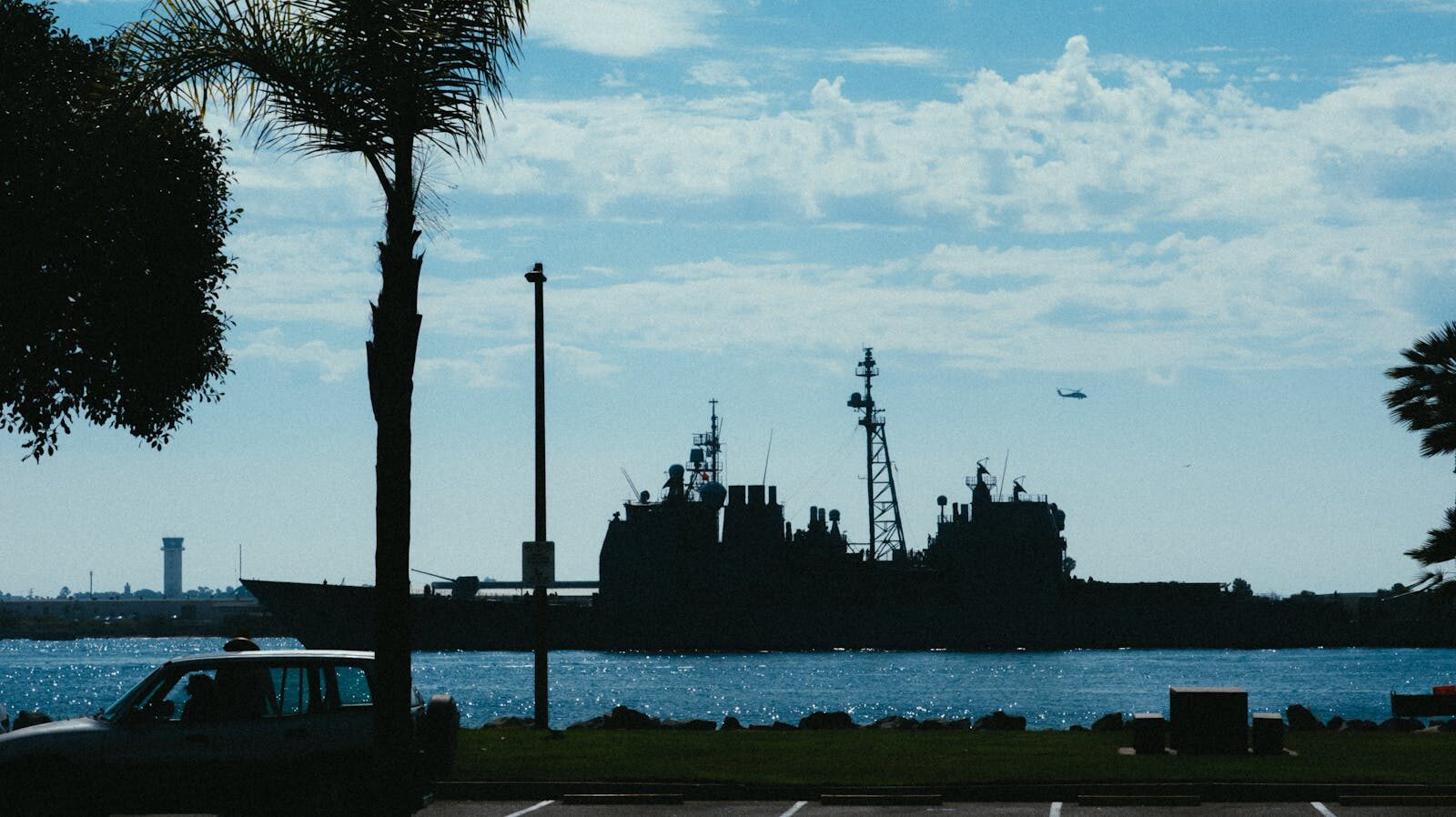
The immediate flashpoint came when the U.S. imposed a “total and complete blockade” on oil tankers under sanctions entering or leaving Venezuela and ordered a significant military build-up in the Caribbean. Venezuela criticized the blockade as a blatant attack on its sovereignty and an attempt to seize control of its vast oil resources.
Mexico’s Call to the United Nations
On December 17, 2025, Mexican President Claudia Sheinbaum publicly urged the United Nations to step in and prevent “bloodshed” in Venezuela. Sheinbaum emphasized that Mexico opposes foreign intervention in Venezuelan affairs and said the UN has been “conspicuously absent” in helping de-escalate the crisis. In her words, the international organization must fulfill its mandate to prevent violence and foster peaceful resolution. NST Online
Sheinbaum framed Mexico’s position as one rooted in constitutional principles and non-intervention, stating her country is willing to serve as a neutral venue for negotiations if both sides agree. Her call came after the U.S. move to block oil shipments — a measure condemned by Caracas as a “grotesque threat” that could fuel further instability.
Mexico’s appeal highlights its role in Latin American diplomacy and reflects a broader regional concern that external interference could plunge Venezuela and its neighbors into conflict.
Brazil Offers to Help Mediate
Brazil’s response has aligned with Mexico’s emphasis on diplomatic solutions. Brazilian President Luiz Inácio Lula da Silva also offered his country’s services as a possible mediator between the U.S. and Venezuela, suggesting that Latin American powers are seeking to defuse tensions before they escalate further. mint
Brazil’s position resonates with its historical commitment to regional autonomy and peaceful resolution of disputes. With significant political influence in the Global South and as a leader within forums like the Community of Latin American and Caribbean States (CELAC), Brazil’s involvement underscores broader concerns across South America about a potential foreign military confrontation.
China’s Rebuke and Support for Venezuela
China, a long-standing diplomatic and economic partner of Venezuela, also weighed in. Chinese Foreign Minister Wang Yi told his Venezuelan counterpart that Beijing opposed “all forms of unilateral bullying” and reaffirmed China’s support for Venezuela’s sovereignty and national dignity. According to official statements, mutual trust and cooperation are hallmarks of China-Venezuela relations, and China believes the global community appreciates Venezuela’s right to self-determination. Anadolu Ajansı
Beijing’s comments reflect China’s broader foreign policy of promoting state sovereignty and non-interference, even as it seeks to position itself as a counterbalance to U.S. hegemony. China is one of Venezuela’s largest partners in trade and finance, particularly in the energy sector, and these diplomatic gestures carry economic as well as political weight. Anadolu Ajansı
Chinese officials have also reiterated calls to avoid escalation and maintain Latin America and the Caribbean as a zone of peace, pushing back against what they view as aggressive U.S. military activity near Venezuelan waters. South China Morning Post
United Nations and International Appeals for Restraint
The United Nations itself has urged restraint. UN Secretary-General Antonio Guterres called on both the United States and Venezuela to de-escalate immediately and respect their obligations under the U.N. Charter to safeguard peace and international law. His office stressed that diplomatic channels and negotiation should be prioritized over unilateral actions that could deepen conflict. Reuters
These appeals come amid concerns that military posturing — including the deployment of large U.S. naval assets to the Caribbean — could inadvertently trigger confrontation or humanitarian consequences if tensions spiral.
Historical Context: Why This Is Happening Now
The roots of the current crisis stretch back years. Venezuela’s political and economic turmoil, marked by hyperinflation, political dissent and contested elections, has drawn increasing U.S. attention. Under President Trump’s 2025 leadership, the U.S. has escalated pressure on Caracas, framing Venezuela’s government as a threat due to alleged corruption, human rights abuses and links between state officials and criminal networks. Connaissance des Énergies
In response, Venezuela has maintained that it is defending its sovereignty against foreign aggression, a narrative that resonates with allies like China, Russia and some Latin American countries wary of external interference. The oil-rich nation sits atop the world’s largest proven crude reserves, making it strategically significant to global energy markets and geopolitical competition. These stakes drive much of the international attention on the conflict.
Who Is Affected by the Escalation
The widening crisis affects multiple groups and interests:
- Venezuelan citizens face heightened risk of internal instability, economic disruption and potential humanitarian consequences if tensions escalate into broader conflict.
- Latin American nations, especially those advocating for non-intervention, worry that foreign pressure undermines regional autonomy and could set a precedent for external interference.
- Global powers like China and Russia see their strategic partnerships and investments in Venezuela potentially threatened by U.S. pressure.
- Energy markets may feel ripples, as perceptions of instability in an oil-rich region could influence global oil prices and investor confidence.
While Venezuela’s oil production has been constrained by sanctions and mismanagement in recent years, perceptions of supply disruption can still prompt market reactions, even if physical output remains low.
Implications and Projections
Several key implications flow from these developments:
- Diplomatic tensions are unlikely to subside quickly without meaningful multilateral engagement. Calls by Mexico and Brazil signal a willingness for regional leadership in de-escalation, but success depends on U.S. and Venezuelan receptivity.
- U.S. foreign policy toward Latin America is under scrutiny, with critics arguing that unilateral pressure may isolate Washington from traditional hemispheric allies.
- China’s role as a counterweight to U.S. influence in the region could strengthen if Beijing continues to champion sovereignty and criticize perceived bullying.
- International law and norms face stress tests as states interpret their obligations under the U.N. Charter and sovereign equality differently.
Should tensions persist into 2026, analysts suggest that international mediation — potentially under U.N. auspices — will become increasingly necessary to avoid miscalculation or conflict.
For observers and citizens around the world:
- Stay informed about diplomatic developments, as decisions made by national leaders and multilateral institutions could shape regional stability.
- Understand the broader context, including historical grievances and strategic interests that fuel these disputes.
- Monitor energy markets for volatility tied to geopolitical risk, even when physical production is unaffected.
- Support peaceful dialogue initiatives, as diplomatic engagement remains the most viable path to de-escalation.
The surge in diplomatic activity — with Mexico and Brazil urging the United Nations to act and China condemning U.S. pressure on Venezuela as “bullying” — highlights how the crisis has moved beyond a bilateral dispute and become a matter of international concern. The outcome of these tensions will shape not only the future of Venezuelan sovereignty and regional dynamics, but also broader questions about great-power competition, international law and the capacity of global institutions to manage conflict peacefully.
For now, the world watches closely, with calls for restraint, negotiation and respect for sovereignty echoing from capitals across the globe.
U.N. Secretary-General urges restraint between U.S. and Venezuela Reuters
Mexico calls on UN to avoid bloodshed over Venezuela tensions Reuters
China criticizes U.S. unilateral bullying and backs Venezuela Reuters