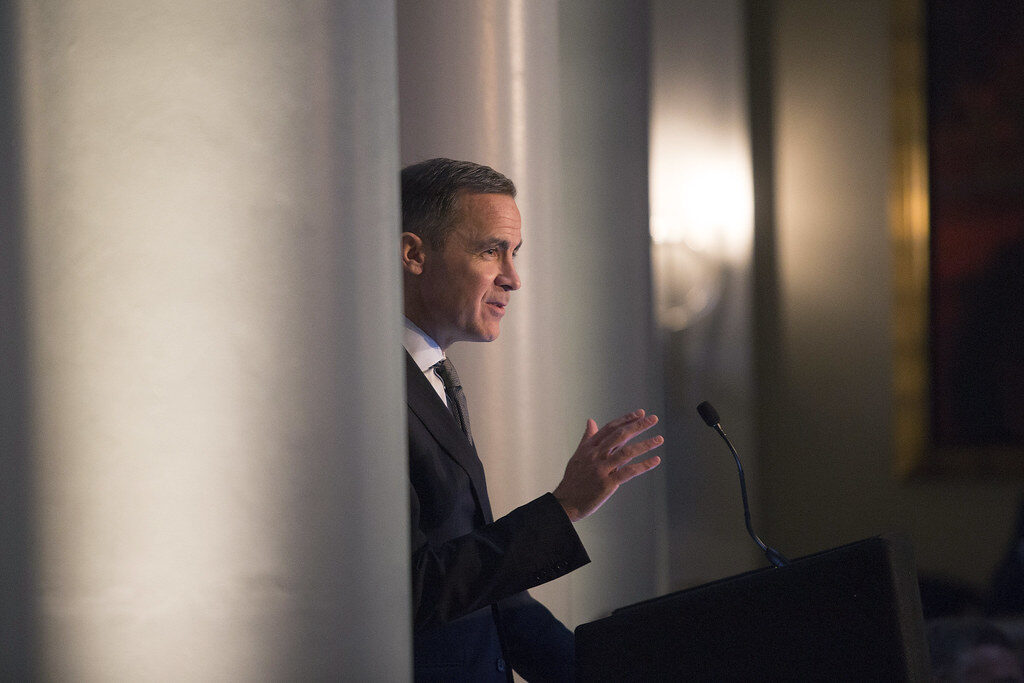
When Canadian Prime Minister Mark Carney delivered a provocative address at the World Economic Forum in Davos, Switzerland in January 2026, he did more than outline Canada’s foreign policy direction. He declared that the “old world order is not coming back” and warned that the global system rooted in a rules-based framework is undergoing a historic rupture. The Mark Carney Davos speech captured global headlines not only for its candid language but also for its implications for geopolitics, economics, and international institutions.
Carney’s remarks resonated with leaders, investors, and policy makers alike because they came at a moment of intensified geopolitical rivalry, heightened economic coercion, and fracturing trust among traditional allies. The speech has triggered worldwide reactions ranging from praise and strategic reassessment to fierce rebuttal, particularly from the United States. This article unpacks what Carney said, why it matters now, how the world is reacting, and what it means for Canada, global markets, and international cooperation.
A Declaration of a “Rupture” in the Global Order
Carney’s keynote at Davos gave a clear and unambiguous narrative: the familiar rules-based international order that underpinned the post–World War II era is eroding. Rather than describing this evolution as a mere transition, he framed it as a rupture—a fundamental break in how geopolitical power and economic integration function.
He argued that the old assumptions of stability through multilateralism and economic cooperation are no longer reliable, as major powers increasingly wield trade, finance, and supply chains as tools of coercion. Carney said that countries can no longer assume that alliances, geography, or integration will secure prosperity or security, but must develop strategic autonomy and form issue-based coalitions with like-minded partners.
Context: Why This Speech Matters Now
The timing of the Mark Carney Davos speech reflects mounting global tensions:
- Great power competition has intensified, particularly between the United States, China, and Russia, in trade, technology, and strategic influence.
- Traditional multilateral institutions like the World Trade Organization and the United Nations face questioning over their enforceability and relevance in crises.
- The expansion of tariff threats and economic pressure as tools of statecraft, including controversial propositions over territories like Greenland, has strained alliances.
In this context, Carney—former central banker of both Canada and the United Kingdom—used his platform to challenge complacency about global cooperation and call for new strategic frameworks suited to a multipolar world.
Global Reaction: Praise, Reassessment, and Backlash
Europe and Middle Powers
Many European leaders signaled support or at least sympathy for Carney’s framing. Officials from the European Union and the United Kingdom echoed concerns about tariff threats and the need for strategic autonomy, particularly in technology and supply chains. Macron and Ursula von der Leyen emphasized the importance of respecting international norms and argued for unity in the face of external pressure.
For smaller and middle powers, Carney’s speech offered validation that the anxieties they have expressed privately about dependence on larger powers are shared at the highest diplomatic levels.
United States Response
The reaction from Washington was sharply critical. U.S. President Donald Trump specifically rebuked Carney, asserting that Canada “should be grateful” for the United States and underscoring a transactional view of bilateral relations. Trump’s remarks suggested that Carney’s critique was perceived not just as analytical but as directly challenging U.S. policy and influence.
This clash underscored a broader geopolitical divide: Carney’s emphasis on cooperative plurality versus a more unilateral and interest-driven approach by the United States under current leadership.
Market and Policy Analysis
Economists and analysts have been careful to differentiate Carney’s articulation of global friction from a collapse of globalization. Some see his framework as emphasizing evolution rather than an outright end to global integration, with opportunities for new alliances and governance structures to emerge. Others warn that such rhetoric could deepen market volatility if interpreted as signaling breakdown in trade or security frameworks.
What Carney’s Message Means for Canada
As Canada’s prime minister—an unusual transition from global financial figure to national leader—Carney brought a unique blend of economic and diplomatic credibility to Davos. For Canadians, his remarks have several implications:
- Foreign policy recalibration: Canada may prioritize diversified trade, including expanding relationships with non-U.S. partners such as China and Qatar, as part of building strategic autonomy.
- Security posture: Affirmations of support for NATO commitments and Arctic sovereignty (particularly regarding Greenland) signal continued defence engagement with allies.
- Domestic confidence: Carney’s emphasis on Canada’s resources, capital, and talent aims to reassure domestic markets and investors that the country is not merely reacting to external pressures but shaping its own path.
Implications for Global Leaders and Markets
Strategically, Carney’s speech will likely influence diplomatic and economic decision-making in several ways:
- Multilateral institutions may undergo reform as countries reassess their role and effectiveness.
- Supply chain and trade strategies could pivot toward resilience and diversification rather than dependence on a small set of dominant partners.
- Geopolitical risk pricing in financial markets might adjust, particularly in sectors sensitive to trade tensions, energy security, and defence spending.
For corporate leaders and investors, the speech underscores the value of scenario planning that accounts for greater geopolitical fragmentation and economic coercion risks.
The Future
The Mark Carney Davos speech does more than challenge historical assumptions; it reframes the debate about how nations can cooperate in an era of strategic rivalry. Whether one interprets the current moment as rupture or transformation, the imperative for leaders and operators is clear: adapt governance, economic strategies, and alliances to a multipolar and contested global landscape.
Understanding and acting on Carney’s message will remain critical for policy makers, investors, and business strategists because the structures that have governed the international system for decades are no longer guaranteed. The conversation sparked in Davos is likely to shape debates on trade, security, and global cooperation through 2026 and beyond.