
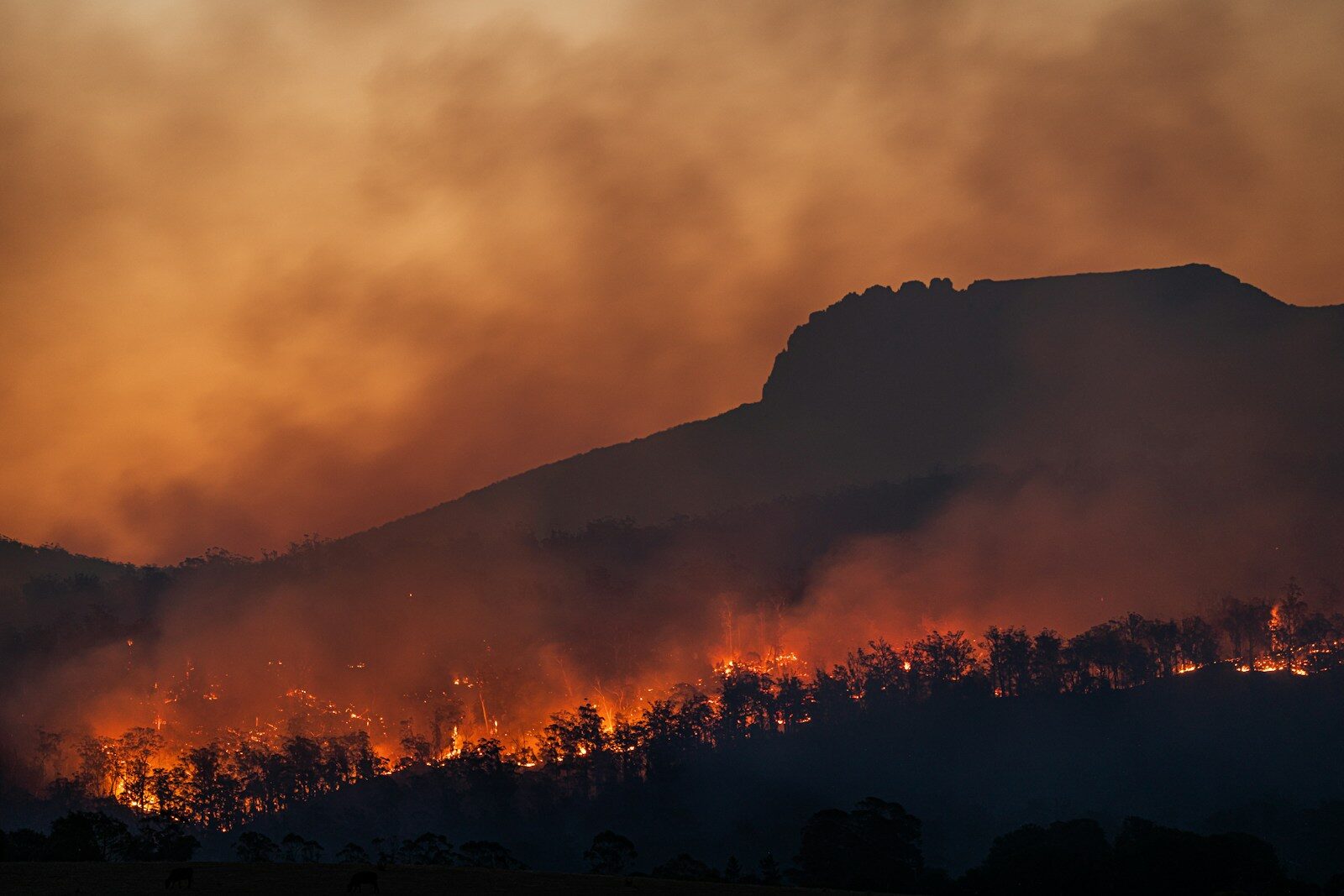
The Okanagan Valley has received a jarring reminder of how razor-thin the margin for error is during the dry summer season. An official joint investigation by West Kelowna Fire Rescue, the BC Wildfire Service, and the RCMP has confirmed that the fast-moving wildfire in Kalamoir Regional Park, which triggered emergency declarations and forced hundreds from their homes, was likely caused by an escaped, prohibited campfire. For emergency managers, municipal operators, and wildland-urban interface decision-makers across Canada, this incident shifts the spotlight firmly onto the persistent operational threat of human-caused wildfires and the critical role that proactive local fuel mitigation plays in preventing urban disaster.
The Anatomy of an Escaped Spark
The emergency began on the morning of Tuesday, June 16, 2026, when flames erupted on the south side of the roughly 30 hectare park. Fanned by strong winds lashing the valley, the blaze grew rapidly to 9.4 hectares, racing up the hillside above Okanagan Lake directly toward residential neighborhoods.
The proximity of the fire to urban infrastructure prompted a State of Local Emergency. Emergency personnel enforced an immediate evacuation order for approximately 357 households in the Casa Loma and Lakeview Heights areas, while an additional 742 properties were placed on standby alert.
A coordinated, aggressive response from more than 40 West Kelowna firefighters, 20 personnel from the Kelowna Fire Department and BC Wildfire Service, and an array of air support managed to bring the blaze under control by Tuesday evening. West Kelowna Fire Chief Jason Brolund noted that while no homes were destroyed and no injuries were reported, the flames came within mere inches of backyards on the park boundary.
On Friday, June 19, officials announced the definitive findings of the fire cause investigation. The blaze originated inside the regional park boundaries and was determined to be accidental yet entirely preventable. Because campfires, smoking, and open flames are banned year-round across all Regional District of Central Okanagan parks, the campfire was illegal from its inception. The RCMP has taken the lead in the investigation to identify the individuals responsible, who face potential municipal and provincial fines ranging from $250 to $1,000, along with potential liability for suppression costs.
When Proactive Mitigation Dictates the Outcome
While the source of the fire points to a failure in public compliance, the tactical containment of the blaze highlights a significant success story for municipal forest management. The Kalamoir Park fire did not turn into a repetition of the catastrophic 2023 McDougall Creek wildfire because of systemic fuel reduction work performed over the preceding years.
In 2024, the RDCO completed extensive wildfire mitigation operations throughout Kalamoir Regional Park. Crews spent weeks thinning overcrowded tree stands, pruning low-hanging ladder fuels, and clearing dead, combustible underbrush from the forest floor.
When the escaped campfire ignited on Tuesday, this lack of fuel depth altered the fire behavior. Instead of climbing into the forest canopy and developing into an uncontrollable crown fire, the blaze remained largely a surface fire. This structural difference allowed ground crews and air tankers to execute direct attacks safely and establish a rapid containment perimeter. Chief Brolund emphasized that this exact scenario had been planned for decades, proving that pre-season fuel treatments yield measurable returns on investment when protecting public infrastructure.
“The regional district has done wildfire mitigation work in the park for a day like today, and it proved its worth.” — West Kelowna Fire Chief Jason Brolund
Post-Fire Liabilities and Long-Term Recovery Challenges
Although the active flames are out and all evacuation alerts have been lifted, Kalamoir Regional Park remains completely closed to the public as a complex recovery phase begins. Wildfires create hidden, long-term environmental and structural hazards that persist long after the smoke clears, presenting serious liabilities for municipal managers.
- Geotechnical Instability: Intense heat from a wildfire cracks surface rocks and bakes the soil, destroying root systems that bind slopes together. In a steep, coastal valley environment like West Kelowna, this creates an immediate risk of landslides and localized rockfalls during heavy summer rains.
- The Hazard Tree Dilemma: Partially burned trees along popular hiking routes are structurally compromised. Environmental planners must deploy specialized arborists to identify and fall these hazard trees before any public trails can safely reopen.
- Subterranean Ash Pits: Forest fires often travel underground along dead root networks, leaving hollow cavities filled with white-hot ash. These hidden pits can persist for weeks, threatening to severely burn unsuspecting trail users or pets who step off cleared paths.
Geotechnical specialists and hazard-tree experts are scheduled to begin a comprehensive assessment early next week to map these hidden vulnerabilities and chart a phased reopening plan for unburned zones of the park.
Strengthening Interface Management in Canadian Communities
The West Kelowna incident underscores a broader policy challenge facing communities across Canada. Despite daily reviews of regional fire danger ratings alongside the BC Wildfire Service, there were no active seasonal campfire bans on private property within the Central Okanagan at the time of the ignition. Local rules are set independently by municipal jurisdictions, creating a fragmented regulatory patchwork that can confuse the public.
For forestry professionals and local governments, the Kalamoir Park fire stands as a clear data point: public education alone cannot entirely eliminate the threat of human-caused wildfires. True climate resilience requires an aggressive, multi-layered approach that pairs strict enforcement of park bylaws with continuous, well-funded community FireSmart programs. By altering the physical fuel load around our neighborhoods, operators can ensure that when human error inevitably occurs, a small spark no longer has the structural capacity to disrupt an entire city.