Canada Pushes Back on U.S. Tariff Demands as Trade Talks Intensify
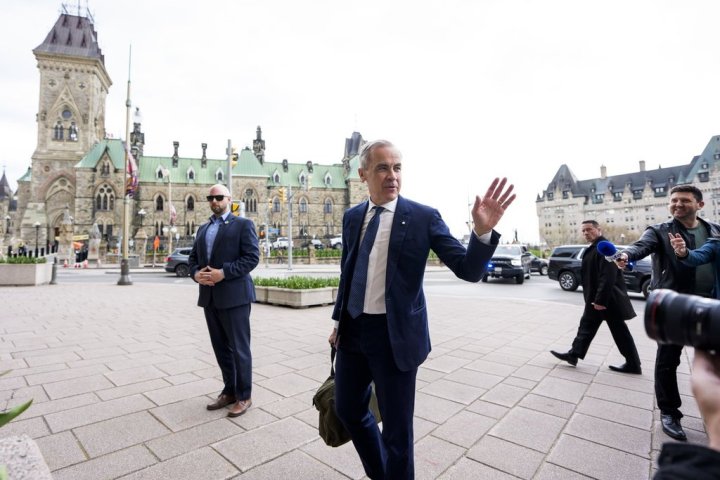
As tensions mount over renewed U.S. tariff proposals, Canadian Finance Minister Mark Carney has issued a firm message: Canada won’t be pressured into accepting an unfavourable deal. Carney emphasized that Canada’s economic stability and sovereignty remain non-negotiable amid the ongoing trade negotiations with Washington.
The comments come as American officials seek to reintroduce tariffs on key Canadian exports, citing national security and competitive concerns. Carney called these justifications “unfounded” and “harmful to both countries’ economies,” pointing to the 2018-2019 steel and aluminum disputes that disrupted supply chains and eroded cross-border trust.
“We will defend Canadian workers and industries with resolve,” Carney stated. “A bad deal is not an option.”
What’s at Stake?
At the heart of the dispute are proposed tariffs on sectors including aluminum, steel, and electric vehicle (EV) components — industries vital to Canada’s manufacturing sector. The United States remains Canada’s largest trading partner, accounting for nearly $1.2 trillion CAD in annual trade. However, protectionist measures have strained relations in recent years.
According to Global Affairs Canada, nearly 150,000 Canadian jobs are directly tied to the sectors potentially affected by new tariffs.
Echoes of the Past
This latest dispute stirs memories of the 2018 trade war under the Trump administration, which saw Canadian metals slapped with U.S. tariffs. Then-Finance Minister Chrystia Freeland responded with retaliatory duties, prompting a protracted standoff. The eventual removal of those tariffs in 2019 was seen as a diplomatic win — but one that highlighted the fragility of North America’s economic partnership.
Carney’s Strategy: Leverage, Not Capitulation
Carney, a former governor of both the Bank of Canada and the Bank of England, brings economic credibility and diplomatic tact to the negotiating table. His current stance reflects a growing sentiment among Canadian policymakers — that strategic patience and multilateral pressure are more effective than conceding to U.S. demands.
Canada is also leaning on its G7 allies and international trade bodies like the WTO to build support for fair, rules-based trade.
Domestic Response and Political Impact
Carney’s remarks have received strong backing from Canadian business leaders and opposition parties alike. Jerry Dias, former president of Unifor, called it “the kind of leadership Canadian workers need right now.”
However, some analysts warn that prolonged uncertainty could dampen investor confidence, particularly in Ontario and Quebec, where much of the country’s affected manufacturing is concentrated.
What Happens Next?
Trade negotiations are ongoing, with Canadian and U.S. officials expected to meet again in early August. In the meantime, Ottawa is preparing contingency measures, including targeted support for vulnerable sectors and potential reciprocal tariffs.
Carney’s bottom line remains unchanged: Canada will not be cornered into sacrificing long-term economic interests for short-term political ease.
“We will always work in good faith,” he said. “But if the U.S. wants a partner, not a pushover — we’re ready.”
Sources & Further Reading: