Canada’s Bold Move Meets U.S. Rebuke
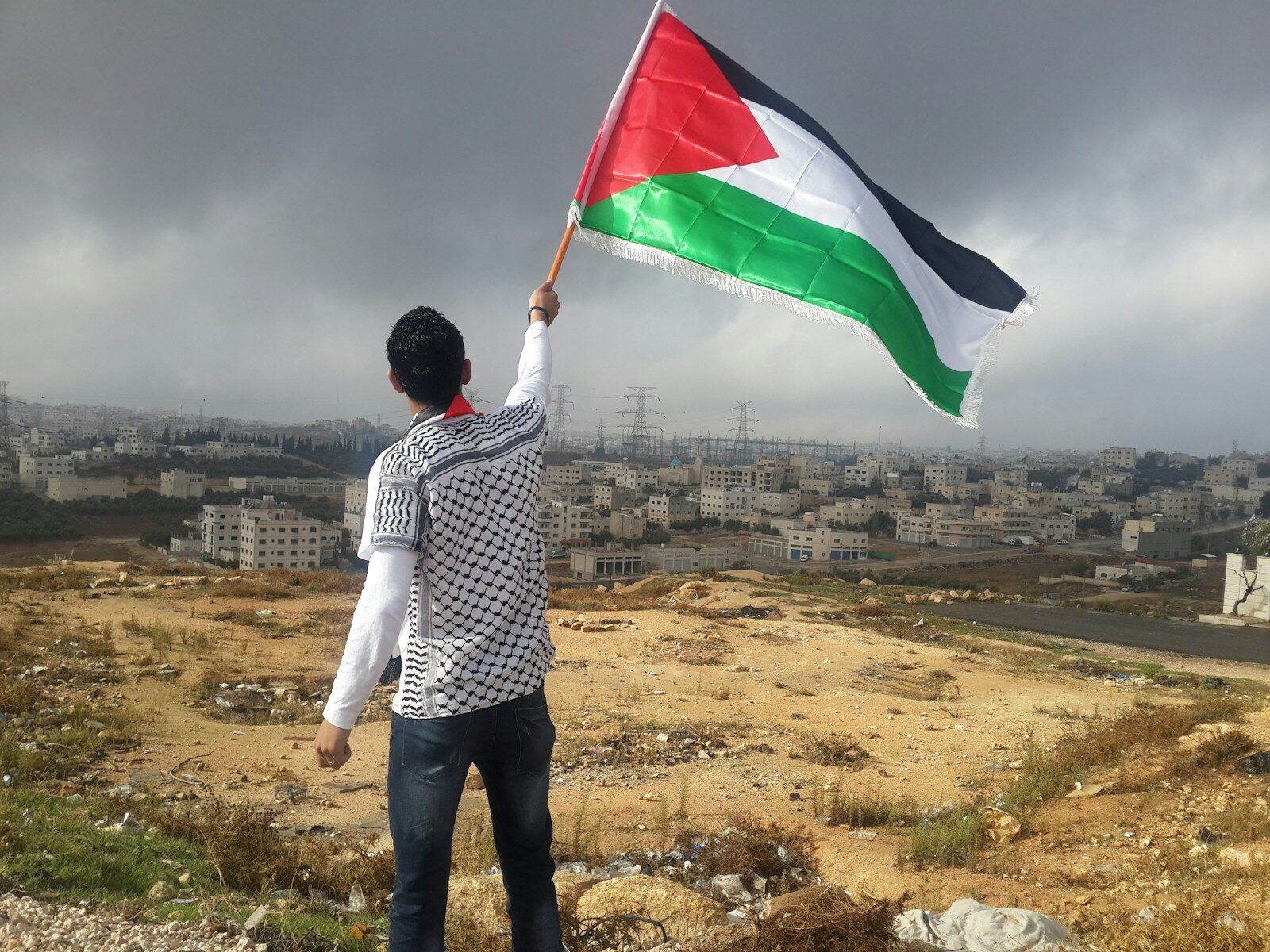
On July 30, 2025, Canadian Prime Minister Mark Carney announced that Canada will recognize Palestinian statehood at the United Nations General Assembly in September, joining France and the United Kingdom in a historic foreign policy shift. The recognition is conditional on the Palestinian Authority holding democratic elections in 2026 without Hamas participation, and the disarmament of Hamas, Carney stressed True North Wire
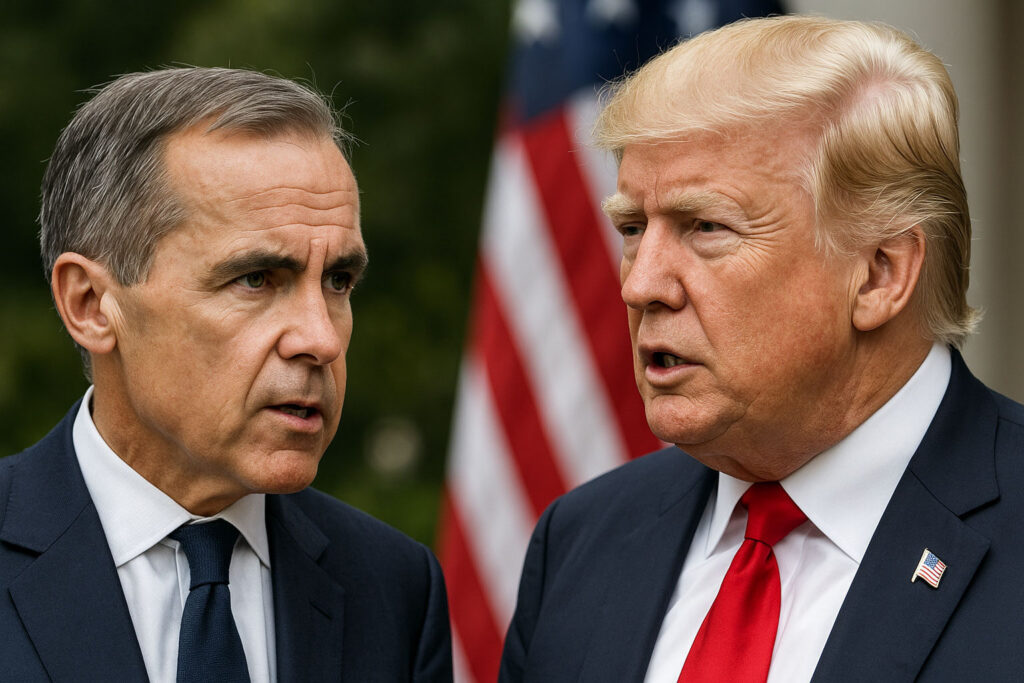
Later the same day, former U.S. President Donald Trump publicly rejected the idea, stating that recognition would amount to “rewarding Hamas”—a group he described as terrorist—and asserted the U.S. would not follow Canada’s lead Reuters
What Prompted Canada’s Decision?
Growing International Momentum
Recent weeks have seen rising global action: France, the U.K., Spain, Ireland, Norway, and several EU members have either committed to or already extended official recognition of Palestine. Canada’s decision reflects this shifting geopolitical landscape Politico.
Humanitarian Crisis & Global Pressure
With Gaza’s humanitarian situation deteriorating—UN reports estimate over 60,000 civilian deaths, widespread starvation, and blocked aid—Carney cited the urgency of coordinated international action and dissatisfaction with Israel’s failure to prevent civilian suffering dci.plo.ps
Carney’s Position: Measured, Principled, Unwavering
At press briefings, Carney emphasized that Canada’s recognition aims to accelerate a viable two-state solution, grounded in peace, security, and democratic legitimacy. He reiterated Canada’s strong humanitarian aid contribution (over C$300 million) and rejected any future political role for Hamas in Palestinian governance globalnews.ca
Internal Political Pressure to Act
Liberal MPs such as Salma Zahid and Fares Al Soud have publicly urged Carney to take the step, arguing it’s a matter of justice and sovereignty—not foreign policymaking influenced by external actors like Israel’s Prime Minister Netanyahu—who some accuse of holding a “veto” over Palestinian statehood.
Trump’s Rejection: A U.S. Roadblock to Diplomacy
Trump’s administration characterized Canada’s announcement as rewarding Hamas, emphasizing his focus on humanitarian relief rather than diplomatic recognition. A White House official made clear that recognition is off the table from the U.S. viewpoint. Trump intentionally positioned his statements as a counterpoint, reinforcing American resistance to similar moves Reuters.
This stark disagreement underscores the divergent approaches of two North American governments: Canada prioritizes multilateral diplomacy and conditional recognition, while the U.S. maintains staunch opposition tied to security concerns.
Implications & What It Means for Canadians
For Canadian Diplomacy
Canada’s alignment with EU and G7 allies on this issue marks a significant shift in its foreign policy posture—one rooted in international law, human rights, and global coordination.
For Domestic Politics
While support is strong among progressives and urban voters, critics warn of potential diplomatic backlash or disruption to Canada–Israel relations. Some analysts caution about risks to national unity among constituencies sympathetic to Israel.
For the Israeli–Palestinian Conflict
Canada’s conditional recognition may encourage reform within the Palestinian Authority, potentially strengthening moderate governance ahead of future negotiations. The move adds geopolitical pressure on both sides to progress toward a ceasefire and credible peace process.
Looking Ahead: Key Moments to Watch
- UN General Assembly (September 2025): Canada plans to formally grant recognition.
- International Conference in New York (July 28–29): Diplomats and global leaders will coordinate strategies to advance two-state diplomacy and hostages’ release efforts EverythingGP
- Palestinian Authority Elections (2026): A critical milestone for Canada’s conditional recognition criteria.
Canada stands at a diplomatic crossroads—choosing conditional leadership over convenience, and multilateral collaboration over unilateral caution. As Trump vocalizes opposition, Carney cements Canada’s image as a principled actor in global diplomacy, reminding Canadians and allies alike that recognition of Palestinian statehood is about chance for peace—not reward for violence.