A War That Could Reshape the Middle East
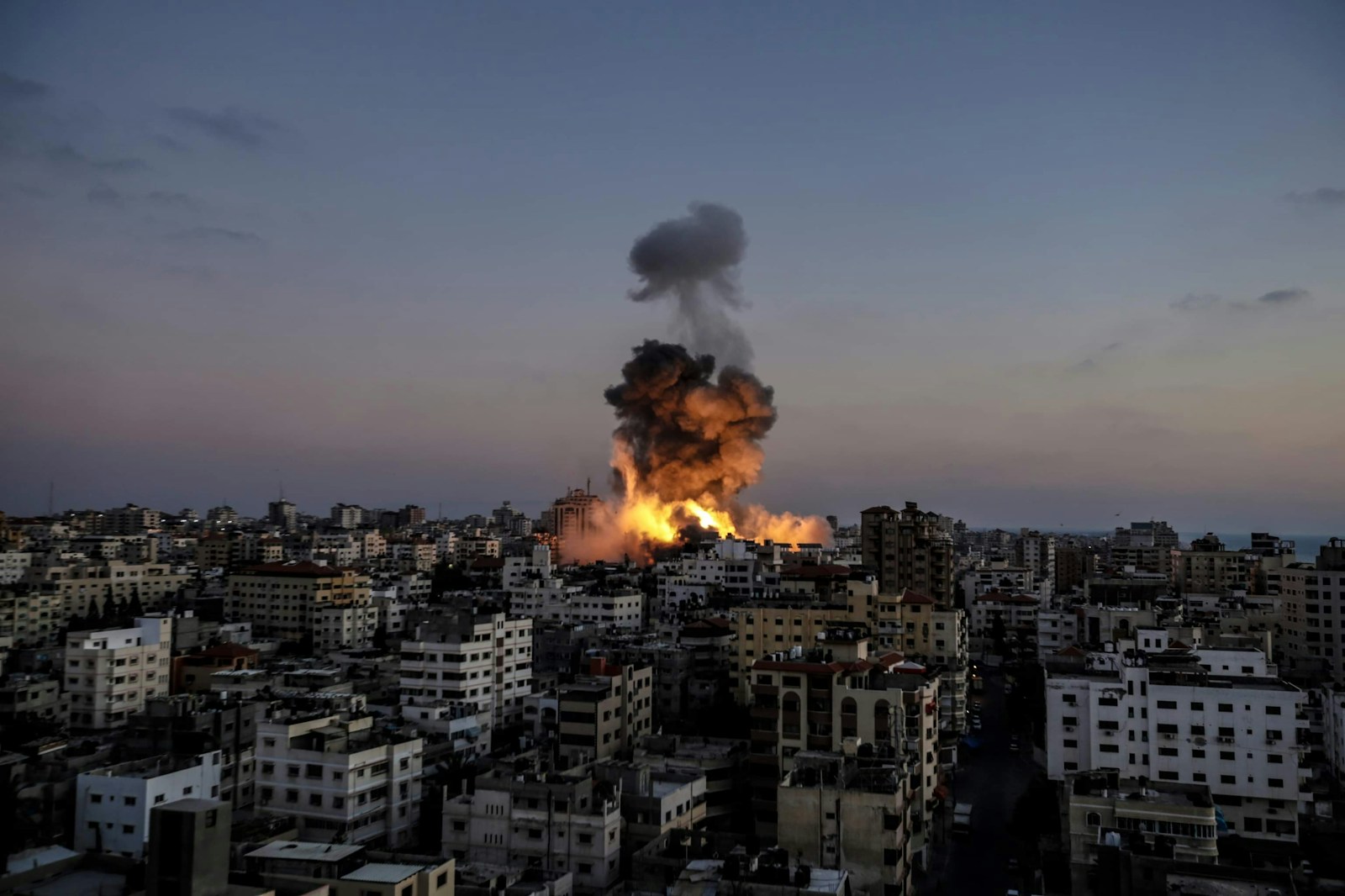
The Trump Israel Iran attack has triggered one of the most dramatic escalations in Middle East geopolitics in years. In late February 2026, coordinated air and missile strikes by Israel and the United States targeted military and leadership sites inside Iran, igniting a regional conflict with potentially global consequences.
The strikes were part of what Israeli officials called Operation Lion’s Roar, a campaign designed to degrade Iran’s missile capabilities and prevent it from advancing toward nuclear weapons capacity. The operation quickly escalated beyond infrastructure attacks, reportedly including a leadership decapitation strike in Tehran that killed senior officials, including Iran’s supreme leader Ali Khamenei.
Within days, retaliatory missile and drone attacks from Iranian forces and allied groups spread across the region, targeting U.S. military installations and allies in the Persian Gulf. The confrontation has already caused more than a thousand deaths and raised fears that a wider war could unfold.
Why Israel Attacked Iran, and Why Trump Supported It
The roots of the current crisis stretch back decades. Israel has long argued that Iran’s nuclear program and ballistic missile development pose an existential threat. Iran denies seeking nuclear weapons, but Western intelligence agencies have repeatedly warned that the country has developed enrichment capabilities that could potentially support a nuclear arsenal.
Israeli leaders have also accused Tehran of funding and arming regional militant groups including Hezbollah in Lebanon and militias in Iraq and Syria. For Israel’s security establishment, the strategic calculus has remained consistent: if diplomacy cannot prevent Iran from acquiring nuclear capability, military action might.
According to U.S. officials, the Trump administration concluded that a preemptive strike was necessary because intelligence suggested Iran could soon retaliate against Israel or American assets in the region. Some officials also said Israel was likely to attack regardless of U.S. involvement, forcing Washington to decide whether to participate or risk being drawn into the conflict later under worse conditions.
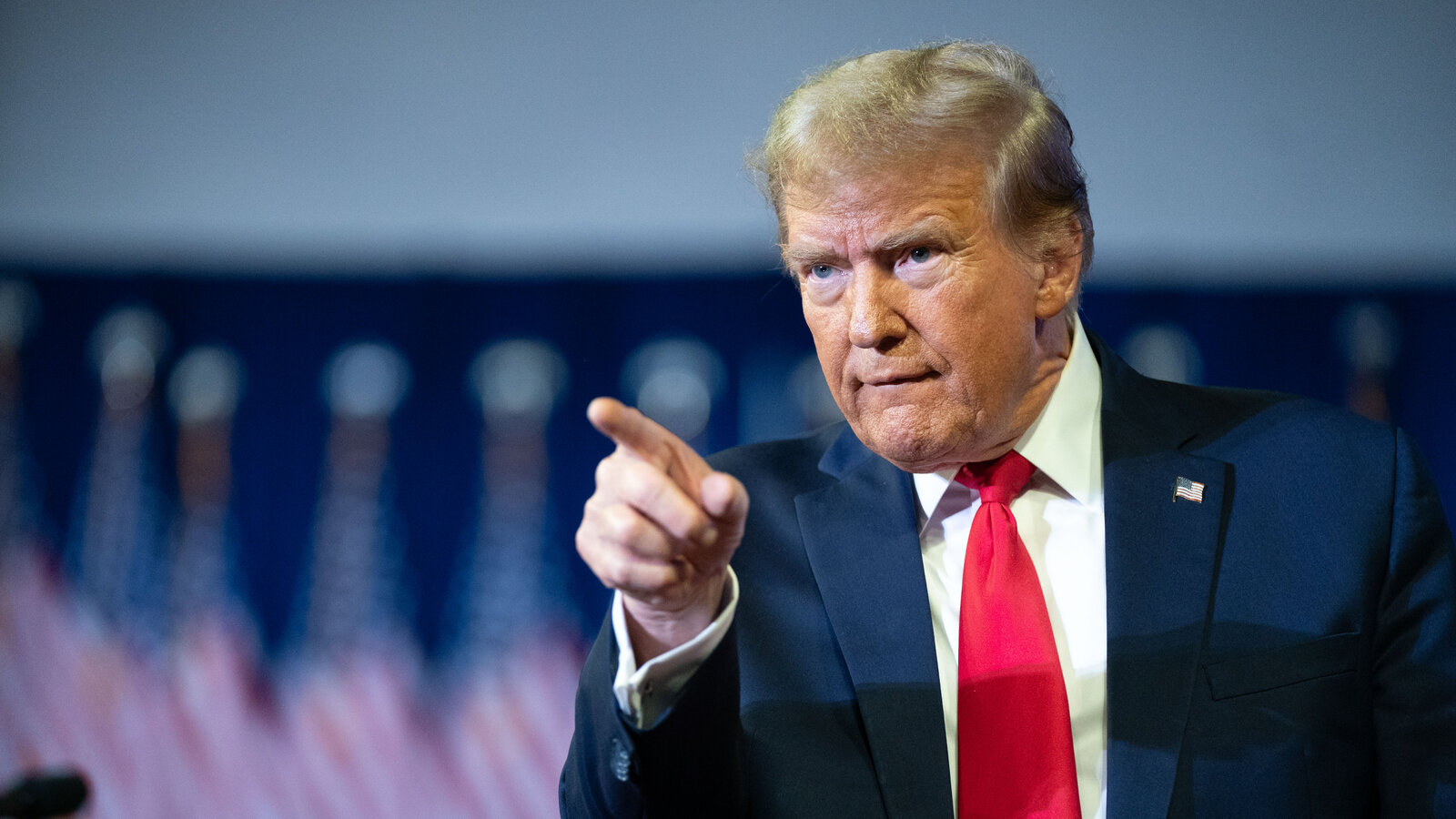
President Donald Trump framed the campaign as a final opportunity to eliminate threats posed by Iran’s missile program and regional military network.
The Military Operation and Its Immediate Effects
Initial strikes focused on command centers, missile infrastructure, and military leadership inside Tehran and other strategic locations. According to defense officials, the goal was to disrupt Iran’s ability to coordinate retaliation while damaging its ballistic missile program.
Iran responded quickly with missile and drone strikes against U.S. bases and allied targets across the Middle East. Several American service members were killed and numerous facilities were damaged during the first wave of retaliation.
Military analysts describe the early phase of the conflict as a classic attempt at “decapitation strategy,” a doctrine aimed at weakening an adversary by eliminating its leadership and command structures. While such strategies can create immediate disruption, they often risk long-term instability if successor leadership adopts more aggressive policies.
The Political Firestorm in Washington
The Trump Israel Iran attack has also triggered a fierce political debate inside the United States.
Congressional critics argued the president launched a major military operation without formal authorization. Lawmakers attempted to invoke the War Powers Resolution of 1973, which requires congressional approval for extended military engagements.
However, the U.S. House of Representatives narrowly rejected a resolution seeking to halt the conflict, allowing the administration to continue operations for now.
At the same time, the White House has taken a hardline stance on negotiations. Trump has stated publicly that the only acceptable outcome would be Iran’s “unconditional surrender” and the installation of leadership acceptable to the international community.
This rhetoric has raised concerns among diplomats who worry that such demands could prolong the conflict rather than open a path to negotiations.
Global Reactions and Economic Consequences
The conflict has triggered alarm among governments and markets worldwide.
European leaders have expressed concern about the potential for escalation, while several Gulf states privately criticized the United States for failing to provide advance notice of the strikes despite the risk of retaliation against their territory.
Energy markets reacted almost immediately. Oil prices surged as traders assessed the risk of disruptions to shipping routes in the Persian Gulf, particularly the Strait of Hormuz, through which roughly one fifth of global oil supply passes. Even the White House has acknowledged that energy prices may rise temporarily due to the conflict.
Financial markets also reacted with volatility, reflecting fears that a prolonged conflict could disrupt global energy supply chains and shipping routes.
The Risk of a Wider Regional War
Perhaps the greatest concern among security analysts is the possibility that the conflict could expand beyond Israel, Iran, and U.S. forces.
Iran maintains a network of allied armed groups across the Middle East, including Hezbollah in Lebanon, militias in Iraq and Syria, and Houthi forces in Yemen. These organizations could open additional fronts against Israel or Western interests.
If such escalation occurs, the conflict could evolve into a broader regional war involving multiple states and non-state actors.
Military planners are also watching Iran’s potential maritime response. Tehran could attempt to disrupt shipping in the Persian Gulf, a move that would likely trigger direct naval confrontation with Western forces.
What Happens Next
Despite the intensity of the early strikes, analysts caution that the strategic outcome of the Trump Israel Iran attack remains uncertain.
Israel appears determined to degrade Iran’s military capabilities as much as possible, while the United States seeks to avoid a prolonged ground war but has not ruled out expanded operations if necessary.
Iran’s leadership has rejected calls for a ceasefire and has signaled readiness to fight for an extended period.
Diplomatic efforts by European and Asian powers may still open channels for de-escalation, but the political positions of the main actors remain far apart.
A Conflict That Could Define the Decade
The Trump Israel Iran attack may ultimately prove to be one of the most consequential geopolitical events of the decade. It has reshaped alliances, intensified great-power competition in the Middle East, and revived fears of a major regional war.
Whether the conflict ends quickly through negotiation or expands into a broader confrontation will depend on decisions made in Washington, Tehran, and Jerusalem in the coming weeks.
For governments, markets, and security planners around the world, the stakes are enormous. The balance of power in the Middle East, the stability of global energy markets, and the credibility of international institutions are all now tied to how this conflict unfolds.