At the United Nations General Assembly in New York, former U.S. President Donald Trump made headlines again — this time urging NATO countries to shoot down Russian aircraft that enter their airspace. The remark, delivered during a meeting with Ukrainian President Volodymyr Zelenskyy on September 23, 2025, immediately sent ripples through European capitals and raised urgent questions about NATO’s posture toward Moscow.
Why Trump’s Comments Hit a Nerve
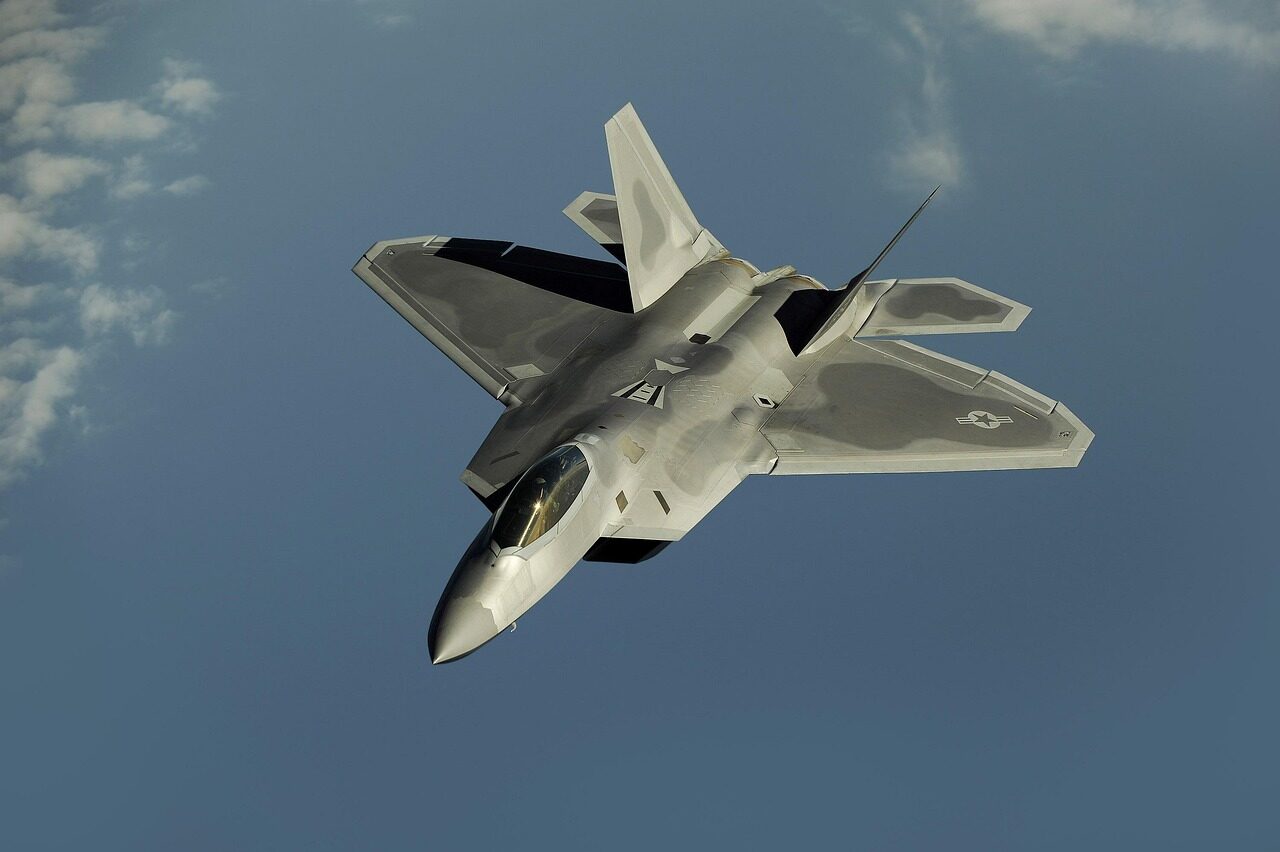
Russia has repeatedly tested NATO defenses this year. Earlier in September, Poland and Romania reported violations of their airspace by Russian jets, while Estonia claimed three Russian aircraft intruded into its territory — allegations Moscow denies. These incursions forced NATO to scramble fighter jets in response, underscoring the fragility of European security amid the ongoing war in Ukraine.
For Trump, the solution was blunt: “NATO countries should shoot them down.” When pressed on whether the United States would back up such actions, he offered a cautious “it depends.”
NATO’s Measured Response
NATO Secretary General Mark Rutte reaffirmed the alliance’s commitment to defend its members but stopped short of endorsing Trump’s blanket shoot-down directive. “Decisions on whether to engage intruding aircraft are always based on available intelligence — intent, armament, and potential risk to civilians or infrastructure,” he said.
Still, Trump’s comments resonated with some. Polish Foreign Minister Radek Sikorski quickly responded on X with a curt: “Roger that.”
The Canadian Perspective
For Canada, a founding NATO member, the stakes are high. Canada has roughly 1,300 troops deployed in Latvia as part of NATO’s forward presence. A shift toward a shoot-first policy could directly endanger Canadian service members while escalating tensions with Moscow. Ottawa has consistently emphasized restraint and intelligence-based responses to Russian provocations, fearing a single miscalculation could spark a wider war.
Energy, Economics, and the Bigger Picture
Beyond military risks, Trump also tied NATO’s credibility to Europe’s continued purchase of Russian oil and gas. “It’s embarrassing,” he said, urging European nations to “step it up.” The European Commission’s Ursula von der Leyen agreed that the EU must end its reliance on Russian energy by 2027 — a timeline accelerated since the invasion of Ukraine.
Meanwhile, Trump dangled economic threats, warning of “severe tariffs” on Moscow if it fails to seek peace. He even suggested Ukraine, with Western support, could “fight and WIN all of Ukraine back in its original form.”
What’s Next?
Trump’s comments sharpen the divide between those who see NATO’s deterrence as too soft and those who fear an escalatory spiral with Russia. For Canada and its allies, the immediate challenge lies in maintaining a credible defense while avoiding actions that could ignite a direct NATO-Russia confrontation.
As the war in Ukraine grinds on, the question becomes unavoidable: how far is NATO — and by extension Canada — willing to go to enforce its red lines?